After a long and fruitful negotiation phase, Thales Alenia Space (represented by Mr. Benoit Broudy) and DLR GfR Germany (represented by Mr. Simon Plum and Mr. Walter Päffgen), as they published at the Paris Air Show, have signed the contract in the presence of Mr. Jean-Loic Galle (CEO, Thales Alenia Space), Mr. André Bauerhin (CEO, Spaceopal) and Hansjörg Dittus (Executive Board Member DLR Cologne) for the Galileo Mission Segment (GMS) maintenance. Read more…
Author Archives: Galileo GNSS
Galileo app competition 2019 proves power of dual-frequency
Europe’s students and young researchers were challenged to design a smartphone app to take advantage of Galileo’s dual-frequency signals. The winning entries should soon be available to the public.
Run by ESA in collaboration with the European Global Navigation Satellite Systems Agency – GSA – plus the European Commission with the support of Google, a total of five teams made it to the final, which took place at ESA’s ESTEC technical heart in the Netherlands. Read more…
Galileo set to growth with global system upgrade
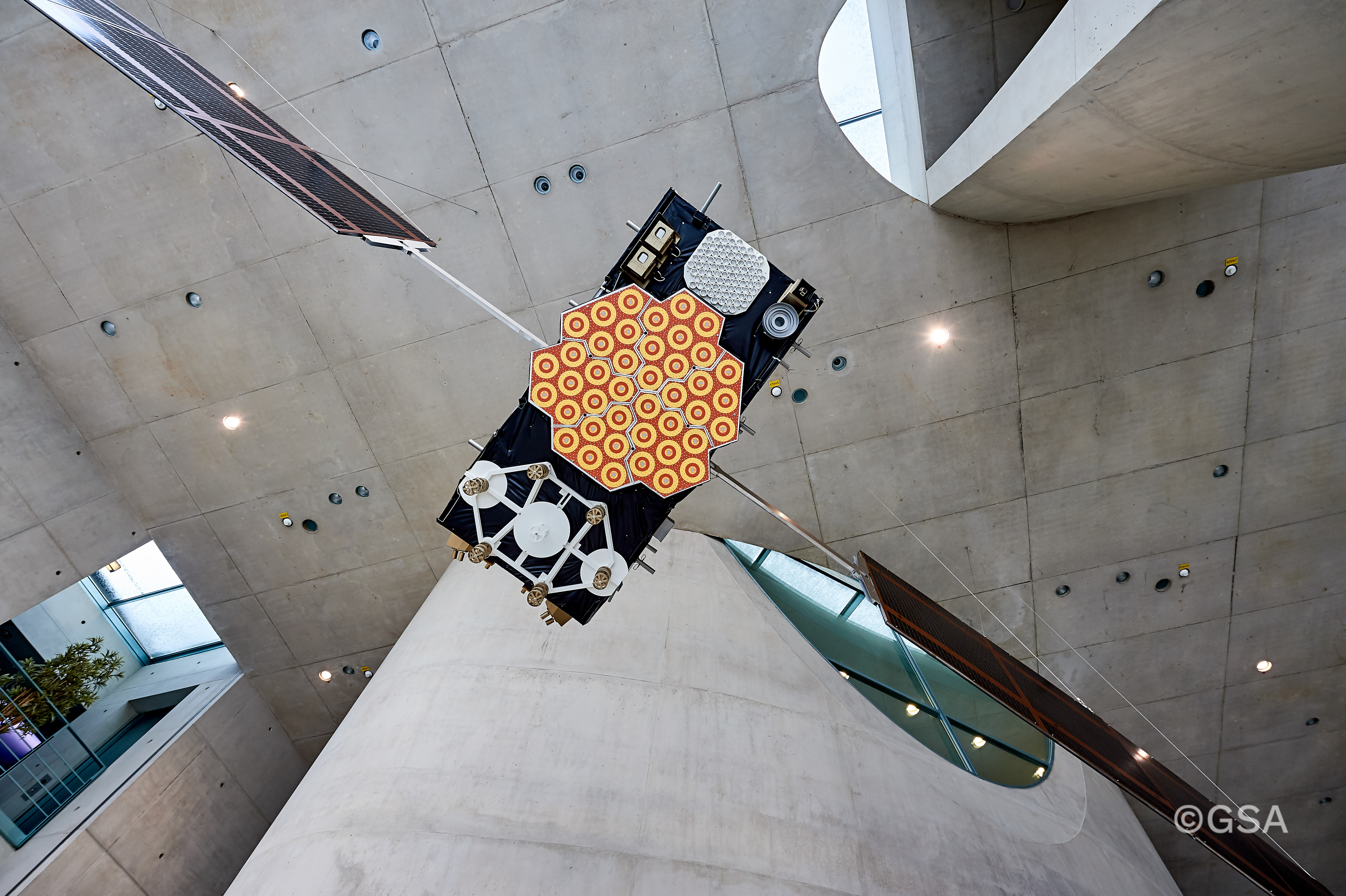
Having completed all necessary qualification testing, ESA has received the green light to upgrade the global infrastructure running Europe’s Galileo satellite navigation system. The resulting migration, which started in February 2019, will incorporate new elements into the world-spanning system and boost the robustness of Galileo services delivered from the 26 satellites in orbit.
Authorisation for this upgrade – formally known as Galileo System Build 1.5.1 – has been given by the Galileo Security Accreditation Board, made up of European Union Member States. Read more…
GPS Week Number Rollover. April 6, 2019
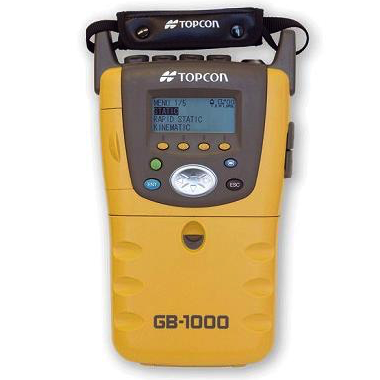
At 23:59:42 UTC on 4/6/2019 (Midnight GPS time, which differs by 18 leap-seconds from UTC) , the 10-bit GPS Week Number broadcast by the constellation will reset to zero for the second time since the beginning of GPS on 1/6/1980. The official presentation on the issue from gps.gov details the issue, and the U.S. Department of Homeland Security has issued a bulletin regarding the use of GPS for timing purposes. The purpose of this UNAVCO Knowledge Base article is to educate operators of high-precision GPS receivers about any necessary action. There is also information below regarding some seismological and cellular devices.
As the gps.gov presentation states, the best course of action for all owners of GPS receivers and any other hardware that uses GPS for timing or geolocation is to “Trust but Verify” by directly contacting the manufacturer of any such hardware for advice. In addition to the high-precision receivers such as seismometers, dataloggers, cellular modems, internet routers, etc. may also require firmware updates or hardware replacement in order to properly handle the rollover. Read more…
Copernicus meets Galileo 2019. Earth observation – Navigation – GeoIT
The digitalisation of our world is currently on everyone’s lips and keeping companies, politicians and all of us on our toes. Earth observation and navigation with the European systems “Copernicus” and “Galileo” have long been pioneers of digitalisation and can today be considered as models for many sectors and technologies.
The conference is aimed at experts, users and customers from the fields of earth observation and navigation using the European satellite systems Copernicus and Galileo, GeoIT as well as from selected fields of application. Read more…
GNSS Chip Manufacturers Expect Big Galileo Roll-Out In U.S.
While several smartphone models currently are fitted with chipsets from both Broadcom and Qualcomm Technologies and already have dual-frequency solutions that support Galileo E1/E5a signals, expectations are that we’ll soon see a significant increase in Galileo users coming from the United States.
The Federal Communications Commission (FCC) last fall unanimously approved waivers allowing the use of the Galileo E1 and E5 signals for non-federal purposes in the U.S. Following this waiver, in which it allowed devices in the United States to access signals transmitted by the Galileo Global Navigation System, leading U.S. manufacturers are preparing to roll-out Galileo on U.S. territory. Read more…
New EU regulation: Galileo present in all smartphones to support 112 emergency calls (E112)
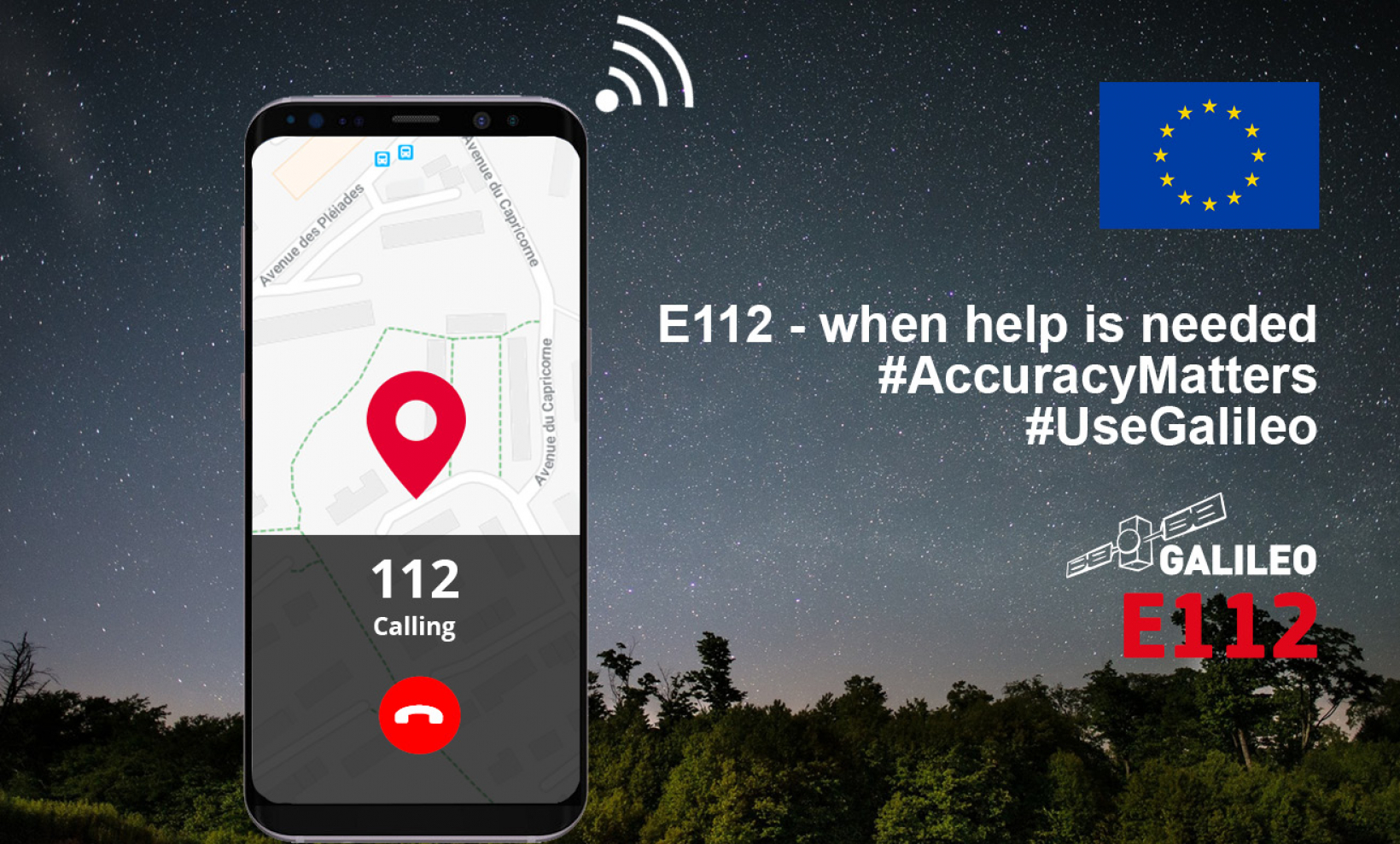
A recently published Commission Delegated Regulation sets out measures to introduce Global Navigation Satellite System (GNSS) capability, particularly Galileo capability, in smartphones placed on the European Union market from 17 March 2022, so that they can support the transfer of caller location information from GNSS (at least Galileo) in the event of 112 emergency calls (E112).
A large majority of phone calls to the 112 emergency number are placed from mobile phones. These calls already support the sending of location information to emergency services. However, this information is not based on GNSS. Read more…