Author Archives: Galileo GNSS

Galileo empowers IoT solutions

Global Navigation Satellite Systems (GNSS), including Galileo, play a key role in the Internet of Things (IoT), and positioning, velocity and timing information supports a wide range of context-aware applications, from drones and driverless cars to asset tracking.

Galileo-empowers-IoT-solutions

In recent years, access to GNSS technology has developed exponentially, quickly progressing from the appearance of the first GPS navigation equipment to the current situation, with more than 6 billion GNSS devices available globally. What’s more, the arrival of the IoT has considerably increased the number of services and applications that require positioning information. Read more…

GNSS simulator and testing platform

The GNSS Simulation and Testing Tools Infrastructure (GSTI), a European GNSS Service Centre (GSC) database for the developer community containing the most extensive public catalogue of commercial testing and simulation tools for professional use, has been recently updated. In terms of numbers, this update has seen the database increase 52% thanks to the new tools added.

GSTI-GNSS-simulator-and-testing-platform

With this revamped resource, GSC intends to bring renewed support to application developers. This update, performed by the GSC team with invaluable support from manufacturers, has resulted in two main actions: the removal of tools previously published but no longer commercially available, and the introduction of the newest tools offered in the market for professional purposes. Read more…

Antarctic explorers make most southerly Galileo positioning fix

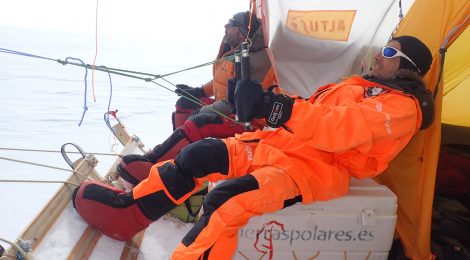
A kite-blown science expedition to the interior of Antarctica has made the most southerly positioning fixes yet made with Europe’s Galileo satellite navigation system.

Wind-blown Antarctic explorers

Wind-blown Antarctic explorers

Their measurements not only confirm Galileo performance at extremely high latitudes, but also offer knowledge of space weather events overhead. In particular they offer insights into the ionosphere – the electrically active upper layer of Earth’s atmosphere – above the southern continent, and the performance of Galileo software to correct ionospheric interference. Read more…

Four new Galileos join Europe’s largest constellation

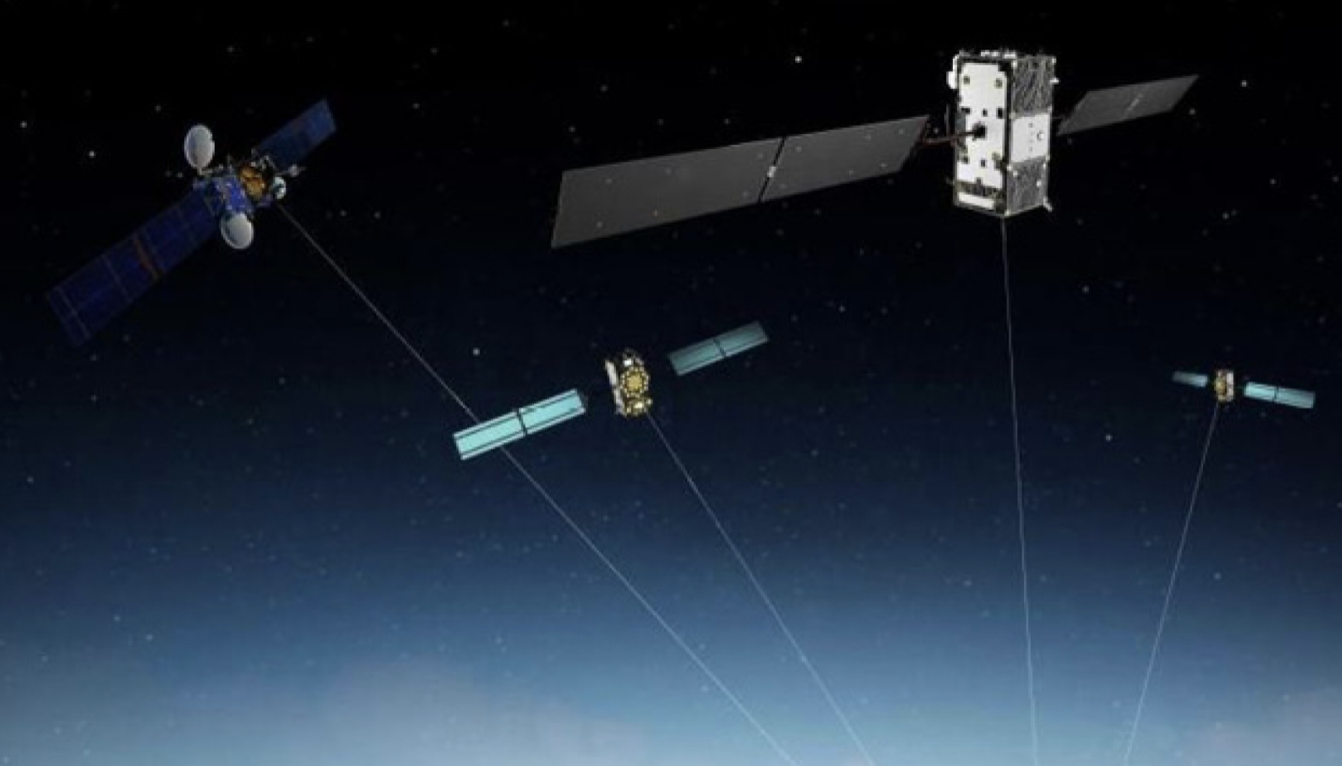
The latest four Galileo satellites have been given the green light to begin working alongside the rest of Europe’s satellite navigation fleet, giving a further boost to worldwide Galileo service quality.

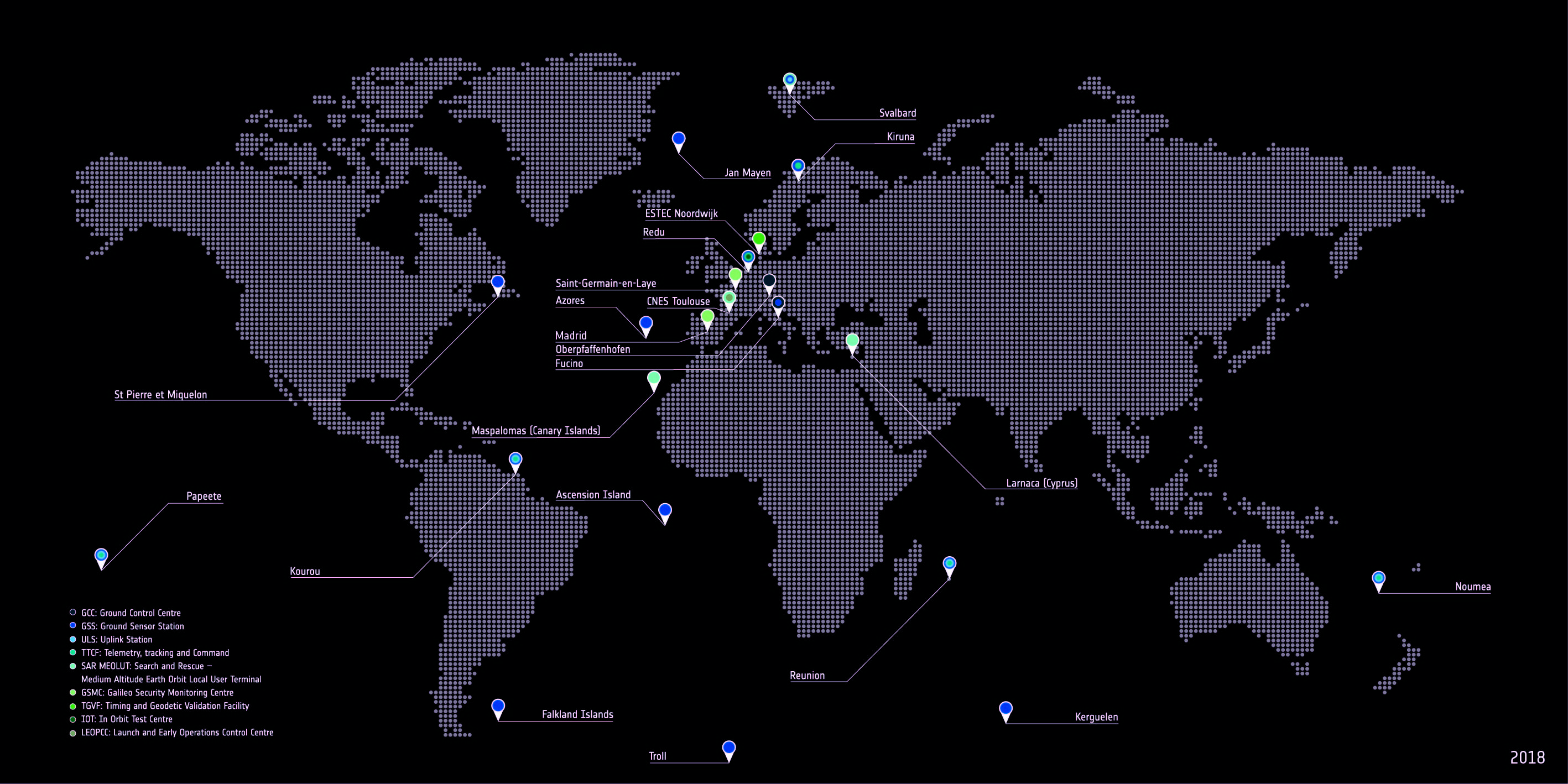
Galileo's global ground segment

Galileo’s global ground segment

Galileo has grown to become Europe’s single largest satellite constellation, built up over 10 launches over the course of this decade. The first of seven double-satellite Soyuz launches took place in 2011, with three sets of four-satellite Ariane-5 launches during the last three years. Read more…

11th EU Space Policy Conference

Politics, funding and vision took center stage at the 11th EU Space Policy Conference (2019) in Brussels. The event, which brings together everyone who’s anyone in the European space community, was themed loosely around the idea that it is time to connect with the European citizen.

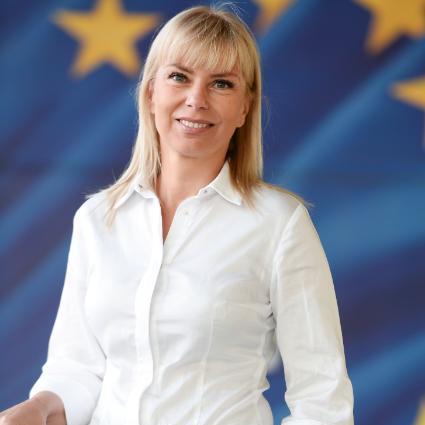
European Commissioner for Internal Market, Industry, Entrepreneurship and SMEs

Elżbieta Bieńkowska, European Commissioner for Internal Market, Industry, Entrepreneurship and SMEs

Elżbieta Bieńkowska, European Commissioner for Internal Market, Industry, Entrepreneurship and SMEs, reminded participants that European elections are coming soon, and the result will be crucial for everyone, although she did not elaborate or suggest who anyone should vote for. Read more…

FCC approves use of Galileo in the US

The U.S. Federal Communications Commission (FCC), at a meeting on November 15, granted in part a request from the European Commission for a waiver of the FCC rules so that devices in the United States may access specific signals transmitted from the Galileo Global Navigation Satellite System.

Galileo-GPS-use-in-US

Following this decision, consumers and industry in the U.S. will be permitted to access certain satellite signals from the Galileo system to be used in combination with the U.S. Global Positioning System (GPS), allowing them to benefit from improved availability, reliability, and resiliency of these position, navigation, and timing services, the FCC said in a statement. Read more…

Why Galileo is not seen in United States?

By Sean Barbeau*.

As the developer behind GPSTest, a popular open-source Global Navigation Satellite System (GNSS) testing app for Android, it’s been incredible to see the advances in both device and satellite technology over the last five years.

GPSTest app

GPSTest app

I’ve learned a lot along the way, and there have been many surprises in terms of how embedded GNSS behaves on Android devices. However, the most surprising revelation by far has been related to EU’s Galileo. Read more…