Author Archives: Galileo GNSS

OHB awarded contract to build 4 additional Galileo satellites

Galileo’s navigation system is continuing to make strides toward a satellite constellation designed to gradually improve the system’s performance and availability worldwide.
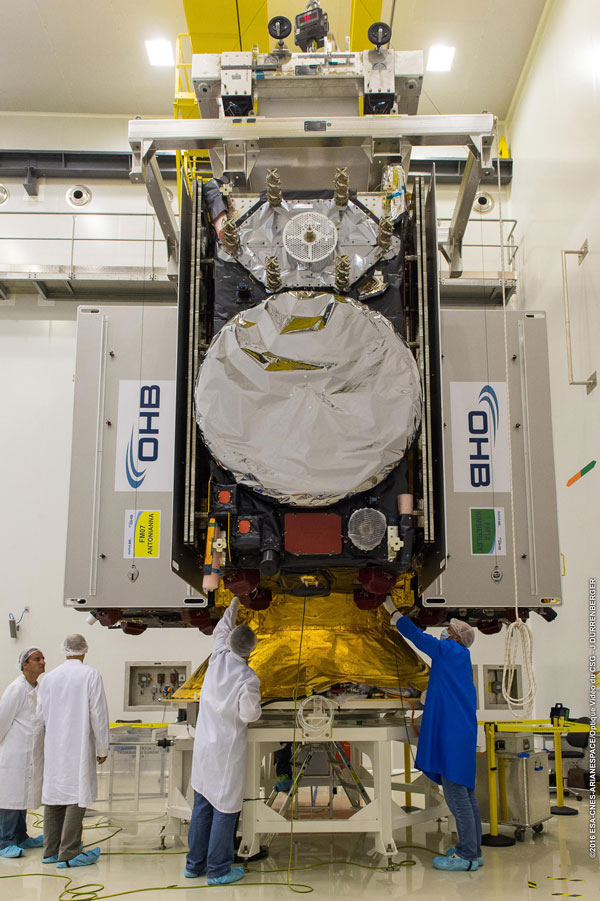
Galileo FOC Satellilte Fit-check

Galileo FOC Satellilte Fit-check

Last month, the European Commission (EC) announced it had exercised one of its contractual options for the European Galileo navigation system and ordered four additional satellites from OHB System AG. Read more…
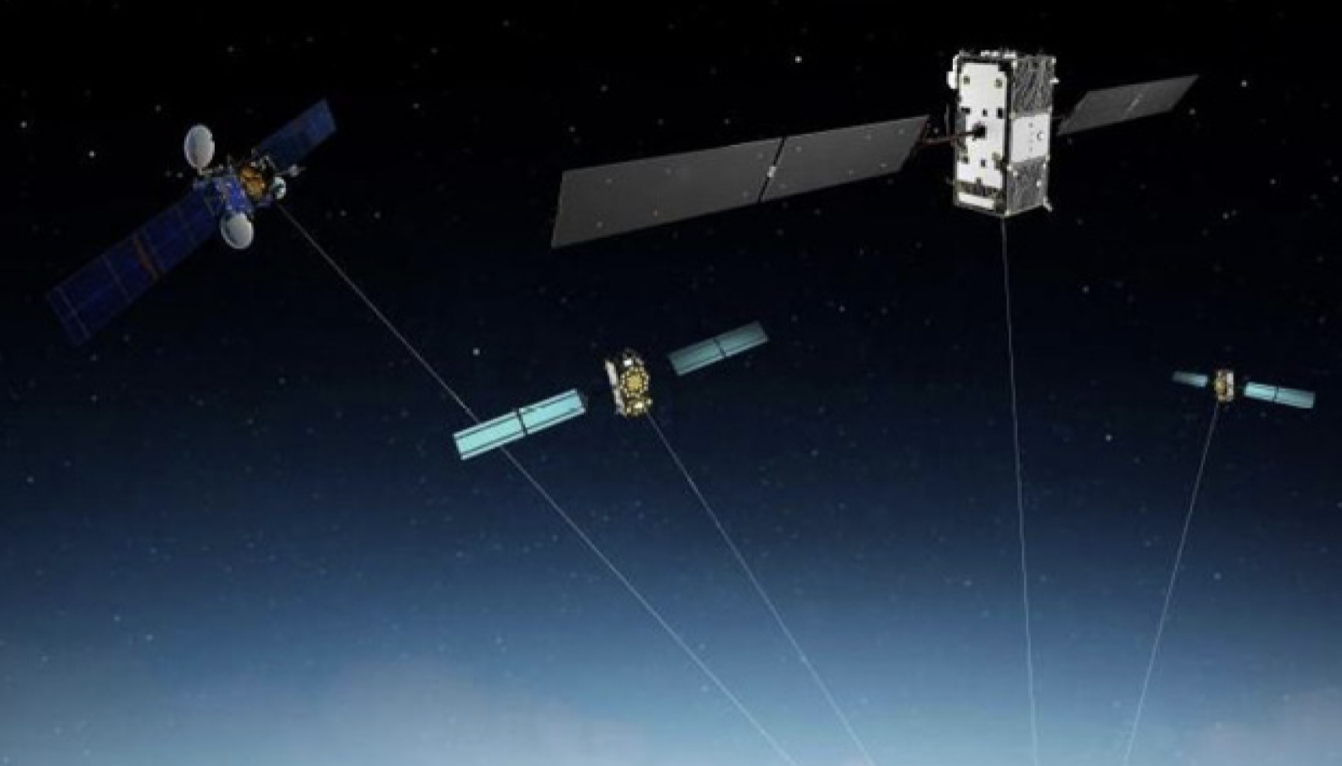
European Space Week 2018

Mark your calendar for European Space Week 2018, and don’t miss out on the leading European space programmes conference, connecting business, policy-makers, international experts and space application user communities, which will take place in Marseille, France, on 3-6 December 2018.

European Space Week

Beginning with the EGNSS Users Consultation Platform, Copernicus Accelerator and the Galileo Accelerator, EU Space Week will combine several events in a week, in an attempt to respond to the needs of EU space programme users. The event will address how Europe is using space to tackle challenges in areas such as sustainable development, mobility, defence, economic development and the environment. Read more…

Four more Galileo satellites transmitting navigation signals

Galileo Satellites GSAT0215, GSAT0216, GSAT0217, and GSAT0218, launched in December 2017, have been commissioned for operational use.

Last four Galileo satellites usable for service provision

Since October 12, all Galileo satellites that were launched December last year are usable for service provision. NAGUs 2018023, 2018019, 2018020 and 2018018 announced the commissioning of Galileo satellites GSAT0215 (E21), GSAT0216 (E25), GSAT02017 (E27) and GSAT0218 (E31), increasing the number of satellites that are available for service provision to 18. Read more…

Spaceopal launches NAVCAST, precise point positioning service

With the aim to actively support and to accelerate the most widespread adoption of Galileo, Spaceopal announces the launch of NAVCAST, its GNSS Precise Point Positioning (PPP) service featuring high accuracy positioning enhancement for end users worldwide.

NAVCAST

NAVCAST provides Galileo and GPS real time orbit and clock corrections based on an algorithm RETICLE (REal-TIme CLock Estimation), developed by the German Aerospace Centre (DLR e.V.). Read more…

Ionosphere: A major obstacle for satnav signals

Radio astronomers and satellite navigation engineers are focusing their attention on the same point of the sky, looking into methods of improving both satnav accuracy and radio astronomy.

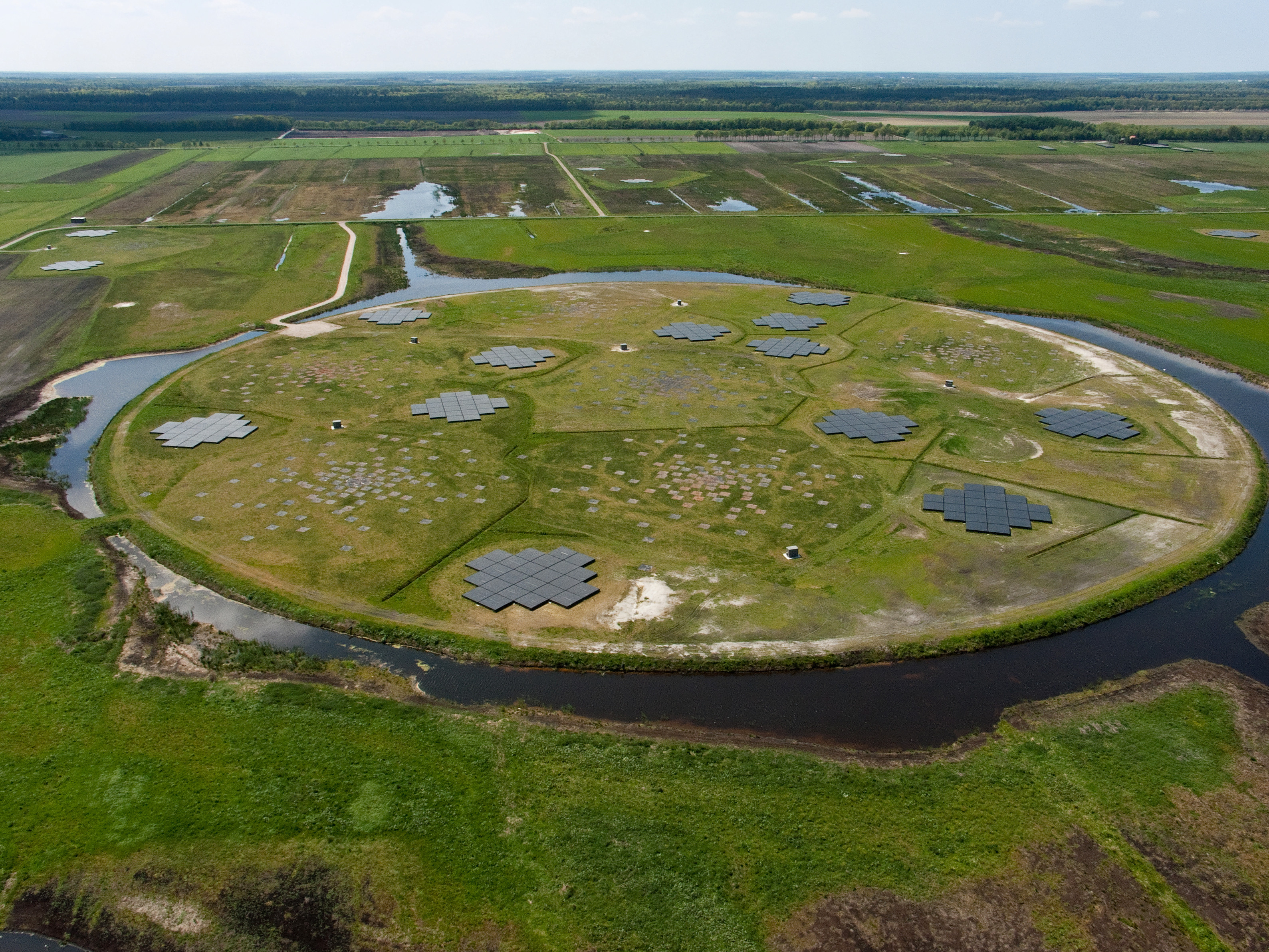
Core of LOFAR radio astronomy network

Core of LOFAR radio astronomy network

What resembles at first an ancient earthwork in a nature reserve in the northeast of the Netherlands is actually the heart of the most advanced radio telescope in the world, spanning northwestern Europe. Read more…

Thales Alenia Space awarded Galileo GMS and GSF contract

Thales Alenia Space, a joint venture between Thales (67%) and Leonardo (33%), today announced the signature of a contract with the European Space Agency (ESA), acting on behalf of the European Commission (EC) and the European GNSS Agency (GSA),for the development and deployment of the next version of the ground-based Galileo Mission Segment (GMS) and the Galileo Security Facility (GSF), together known as WP2X.

Thales Alenia Space logo

This contract, amounting around 324 million euros, will also include maintenance of the currently deployed operational versions. The main goal of this operational phase is to achieve the Full Operational Capability (FOC) for Galileo Open service by the end of 2020. For the PRS – which many participating Member States are eager to use for their governmental applications – the aim is to reach Initial Operational Capability (IOC). Read more…

2018 GNSS User Technology Report

The second edition of the GSA’s GNSS User Technology Report has been published and is now available for free download, providing an exhaustive review of all the latest GNSS trends and developments. Since its launch in 2016, the GNSS User Technology Report has become the go-to-source for information on the dynamic, global GNSS technology industry.

2018 GNSS user technology report

2018 GNSS user technology report

The GNSS User Technology Report, a sister publication to the GSA’s GNSS Market Report, is published every two years and takes an in-depth look at the latest state-of-the-art GNSS receiver technology, along with providing expert analysis on the trends that will shape the global GNSS landscape in the coming years. Read more…