Category Archives: Other

11th EU Space Policy Conference

Politics, funding and vision took center stage at the 11th EU Space Policy Conference (2019) in Brussels. The event, which brings together everyone who’s anyone in the European space community, was themed loosely around the idea that it is time to connect with the European citizen.
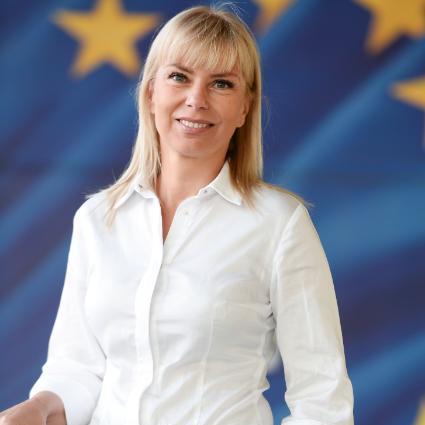
European Commissioner for Internal Market, Industry, Entrepreneurship and SMEs

Elżbieta Bieńkowska, European Commissioner for Internal Market, Industry, Entrepreneurship and SMEs

Elżbieta Bieńkowska, European Commissioner for Internal Market, Industry, Entrepreneurship and SMEs, reminded participants that European elections are coming soon, and the result will be crucial for everyone, although she did not elaborate or suggest who anyone should vote for. Read more…
European Space Week 2018

Mark your calendar for European Space Week 2018, and don’t miss out on the leading European space programmes conference, connecting business, policy-makers, international experts and space application user communities, which will take place in Marseille, France, on 3-6 December 2018.

European Space Week

Beginning with the EGNSS Users Consultation Platform, Copernicus Accelerator and the Galileo Accelerator, EU Space Week will combine several events in a week, in an attempt to respond to the needs of EU space programme users. The event will address how Europe is using space to tackle challenges in areas such as sustainable development, mobility, defence, economic development and the environment. Read more…

Ionosphere: A major obstacle for satnav signals

Radio astronomers and satellite navigation engineers are focusing their attention on the same point of the sky, looking into methods of improving both satnav accuracy and radio astronomy.

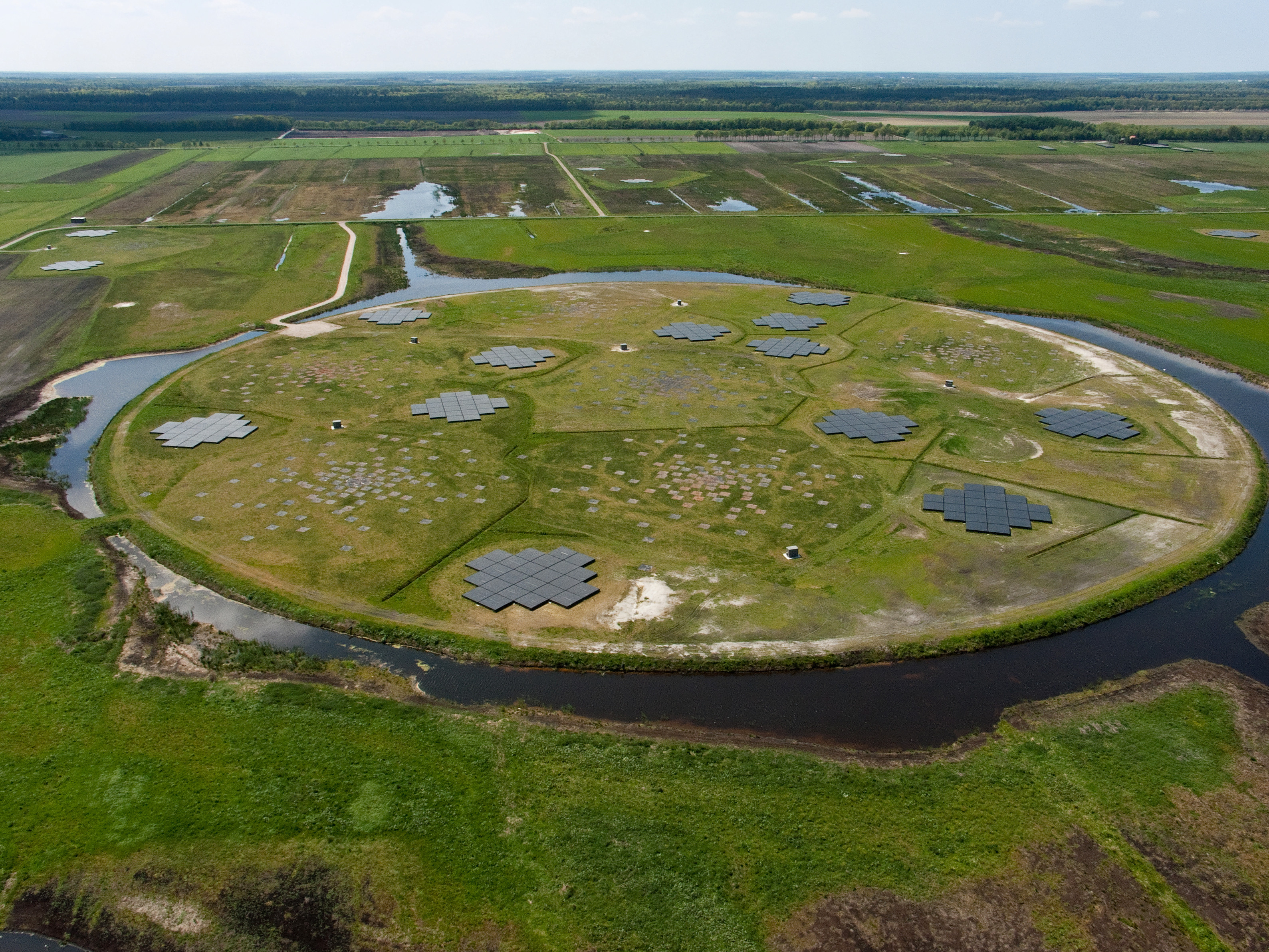
Core of LOFAR radio astronomy network

Core of LOFAR radio astronomy network

What resembles at first an ancient earthwork in a nature reserve in the northeast of the Netherlands is actually the heart of the most advanced radio telescope in the world, spanning northwestern Europe. Read more…

2018 GNSS User Technology Report

The second edition of the GSA’s GNSS User Technology Report has been published and is now available for free download, providing an exhaustive review of all the latest GNSS trends and developments. Since its launch in 2016, the GNSS User Technology Report has become the go-to-source for information on the dynamic, global GNSS technology industry.

2018 GNSS user technology report

2018 GNSS user technology report

The GNSS User Technology Report, a sister publication to the GSA’s GNSS Market Report, is published every two years and takes an in-depth look at the latest state-of-the-art GNSS receiver technology, along with providing expert analysis on the trends that will shape the global GNSS landscape in the coming years. Read more…

Benefits Delivered by Galileo Already Being Felt by EU Citizens, Businesses

The Galileo constellation took another big step towards full operational capability with the successful launch on 25 July of four satellites on-board an Ariane 5 launcher. Representatives of leading industry that have adopted Galileo then held a special press briefing for journalists from across the continent to address updates on how European citizens and businesses are already taking advantage of benefits delivered by Galileo.

“This launch and the Galileo services that these satellites will help provide is testament to the European Union’s ambition to position itself as one of the world’s preeminent space powers,” said Matthias Petschke, European Commission Director of EU Satellite Navigation Programs, in a press release this week. Read more…

How many Galileo satellites are now in orbit?

On July 25 four more Galileo satellites were successfully launched from the European spaceport in French Guiana on the European launcher Ariane 5. Now with a constellation of 26 satellites, the EU’s global satellite navigation system will provide a more precise signal across a range of valuable services.

Galileo has been providing positioning and timing services to around 400 million users since December 2016. This launch brings the constellation close to completion in 2020, which is when Galileo will reach full operational capability. Once complete and with a record precision of 20cm, Galileo will be the most precise satellite navigation system in the world. Read more…

Europe is investing in space up there for all of us down here

By Elżbieta Bieńkowska*:

The European Union successfully launched on 25 July four new satellites for the navigation system Galileo. This will help it provide a more precise signal and is the next step in making Galileo the world’s best satellite navigation system by 2020.

European Commissioner for Internal Market, Industry, Entrepreneurship and SMEs

Elżbieta Bieńkowska, European Commissioner for Internal Market, Industry, Entrepreneurship and SMEs

But why should you care about what happens up there in space? Part of the answer is in the palm of your hands. Thanks to Galileo, the maps on your smartphone will be able tell you where you are with 20cm accuracy. That’s better than GPS. The economy is responding: about 75 million Galileo-enabled mobile phones were sold last year alone. Read more…