-

- Liftoff of Galileo quartet
-
- Galileo launch 8 (17-11-2016)



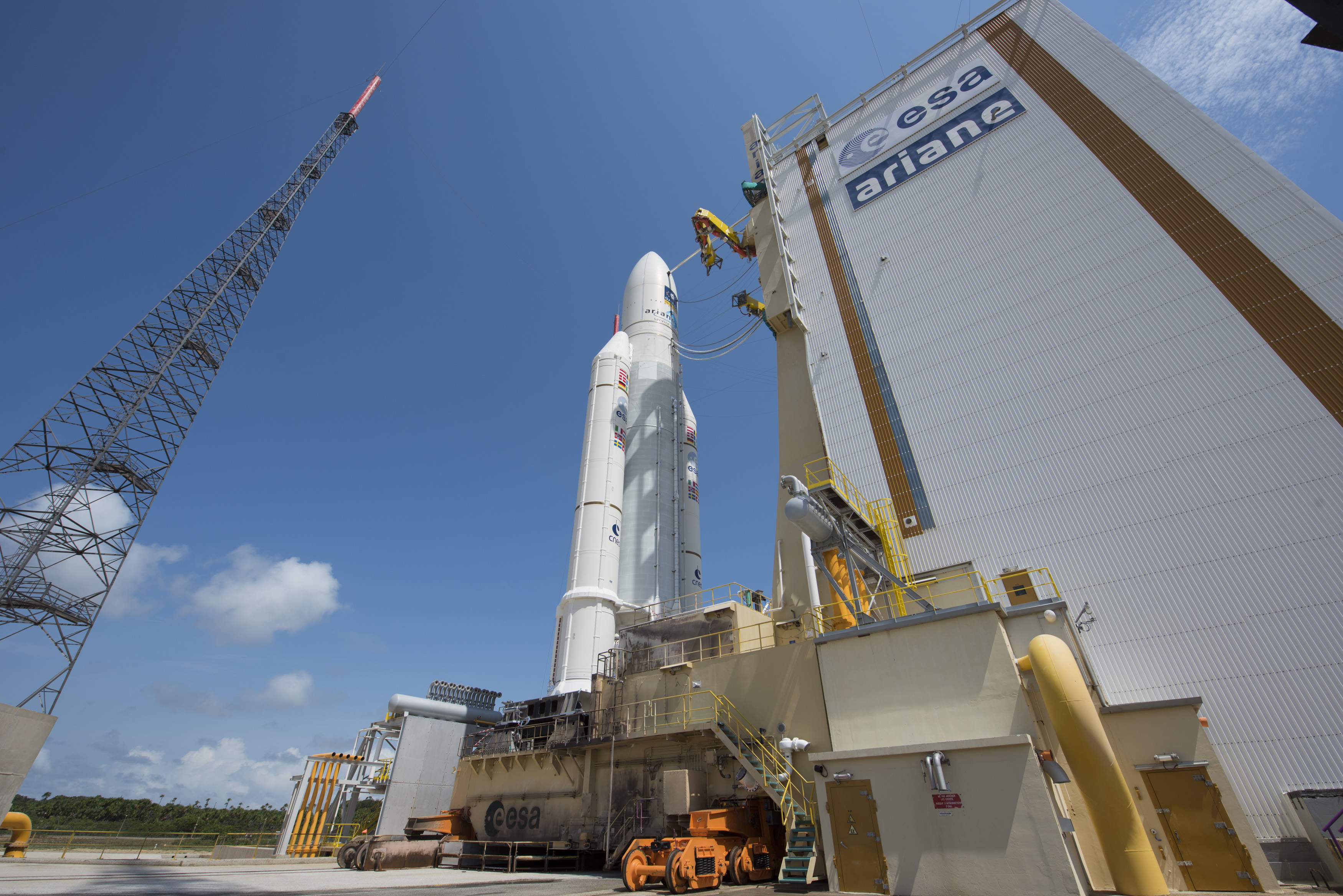
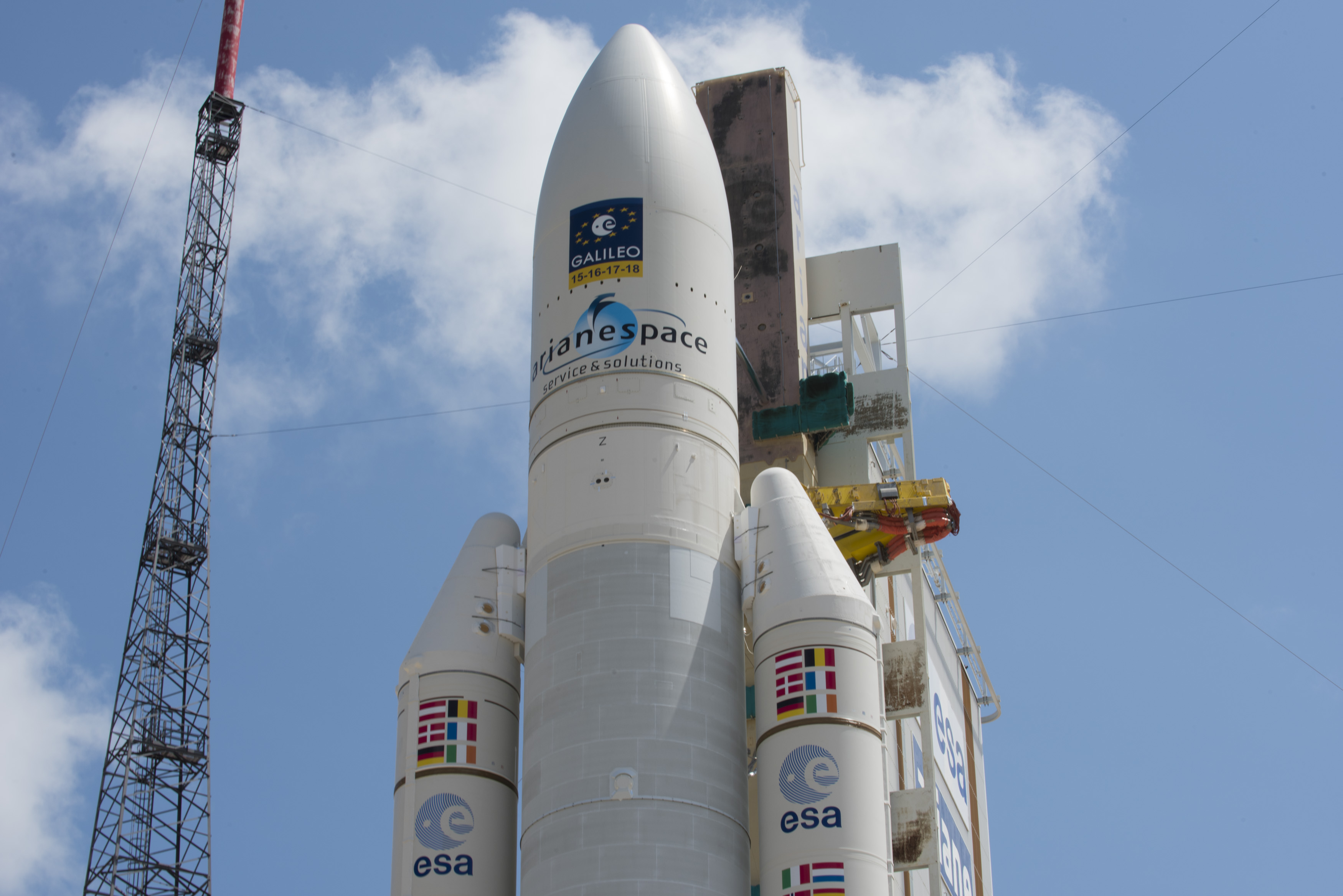
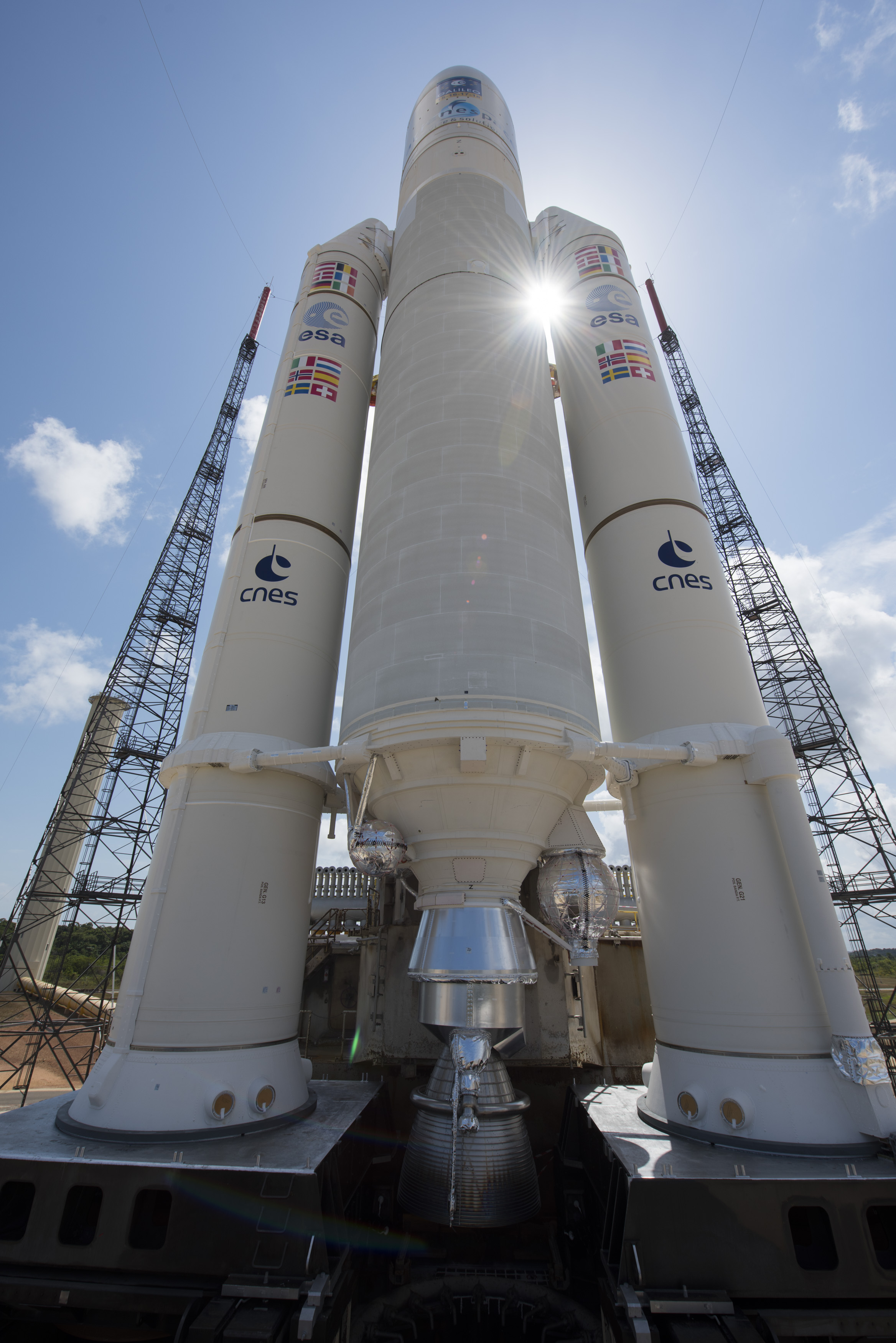
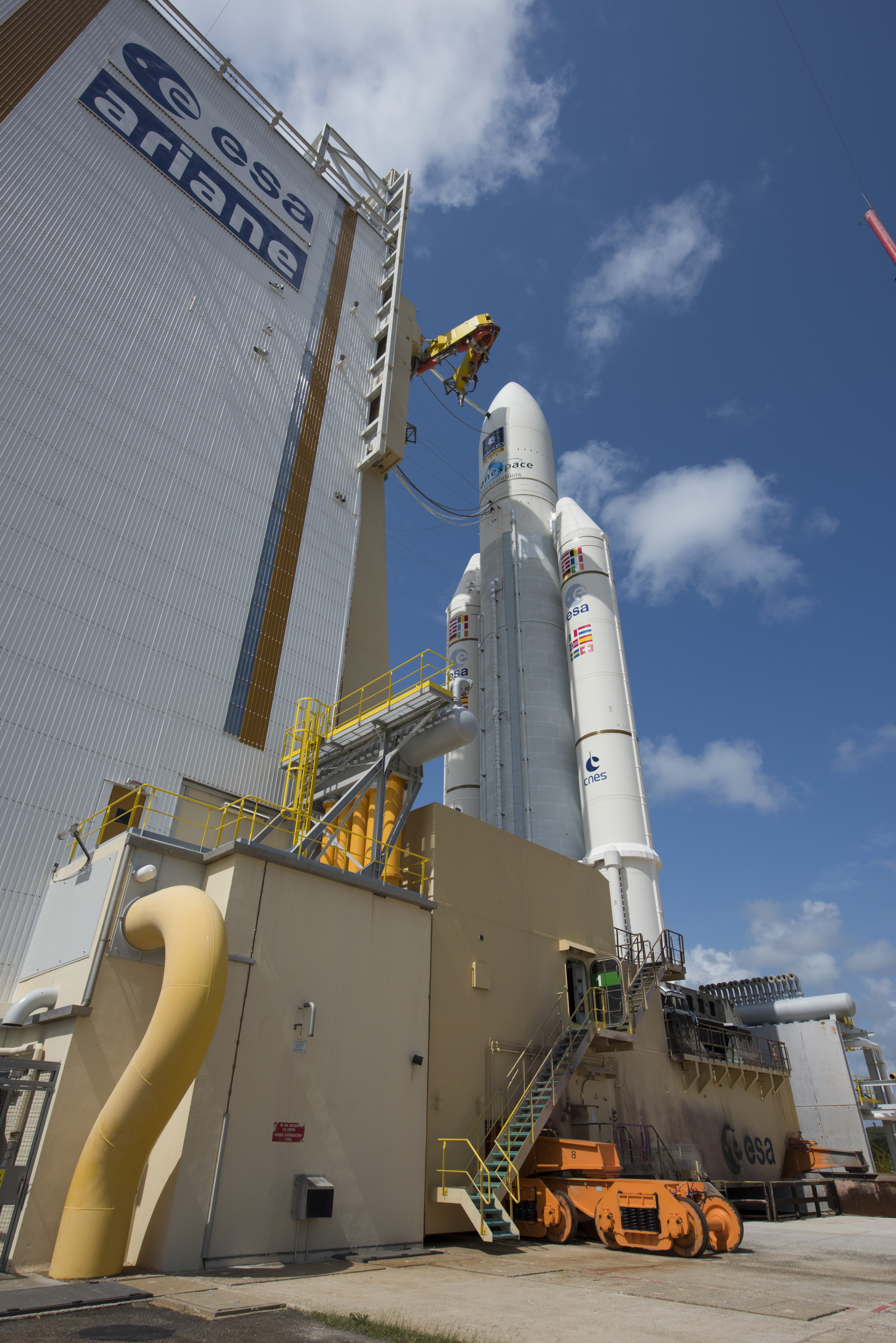
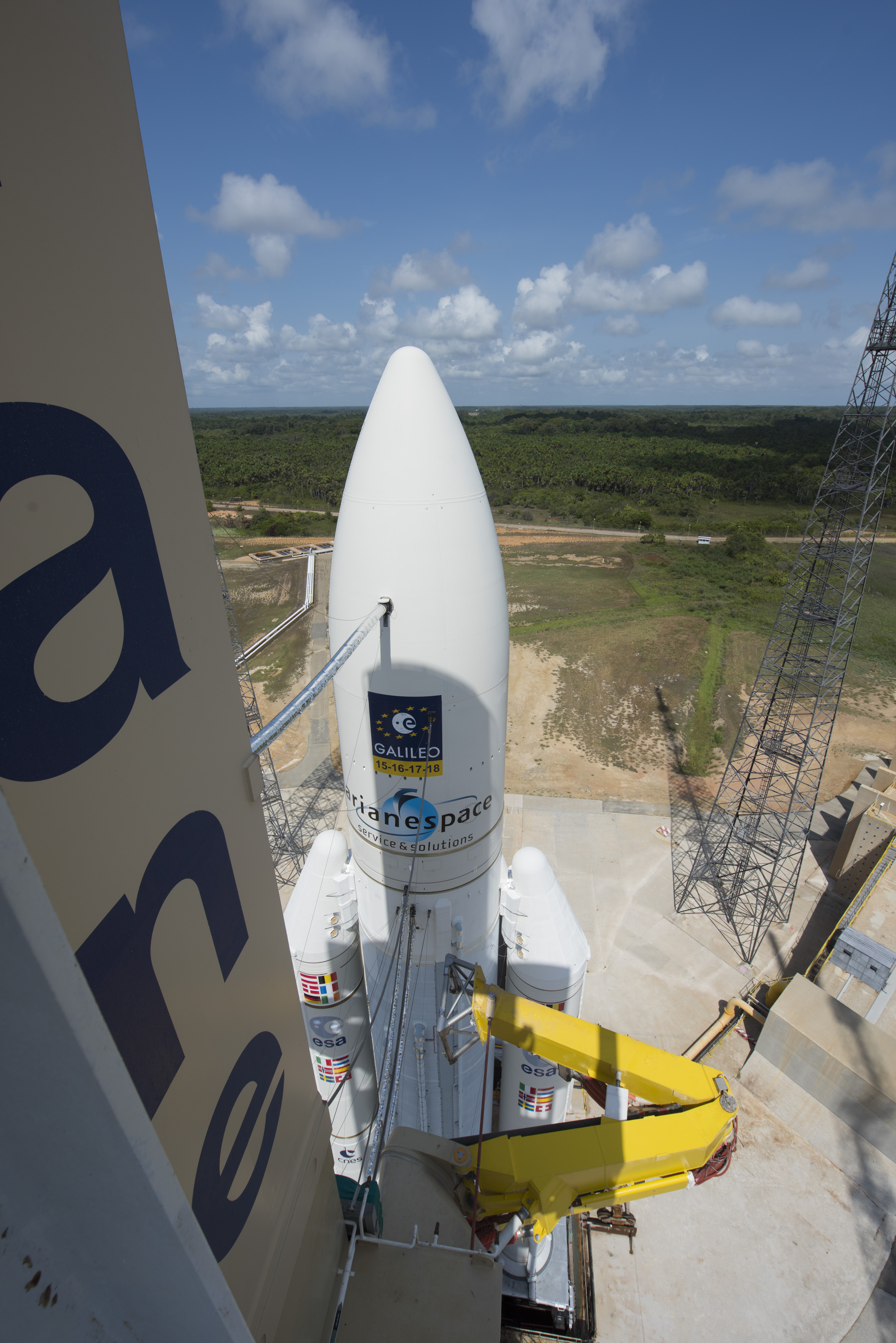
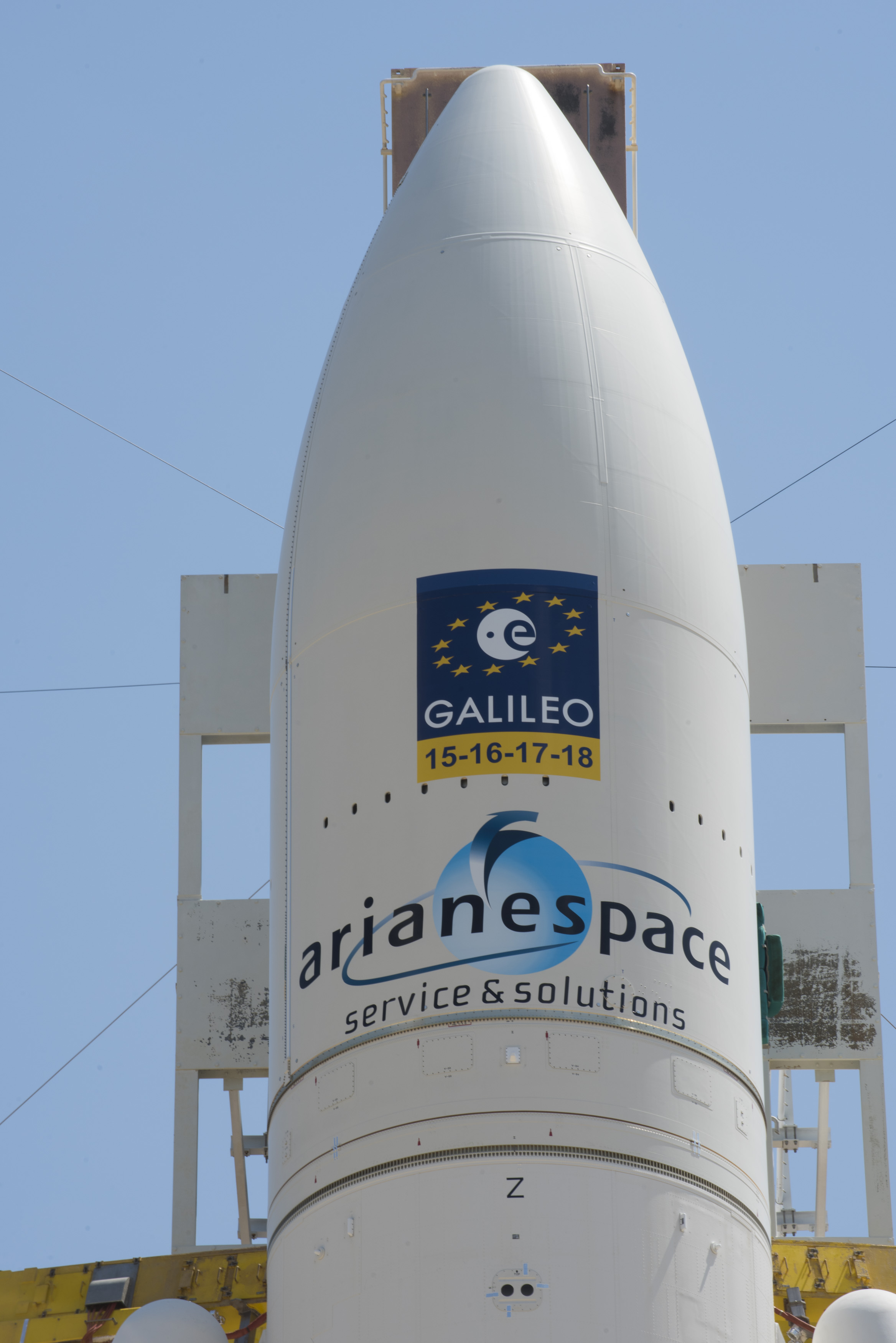
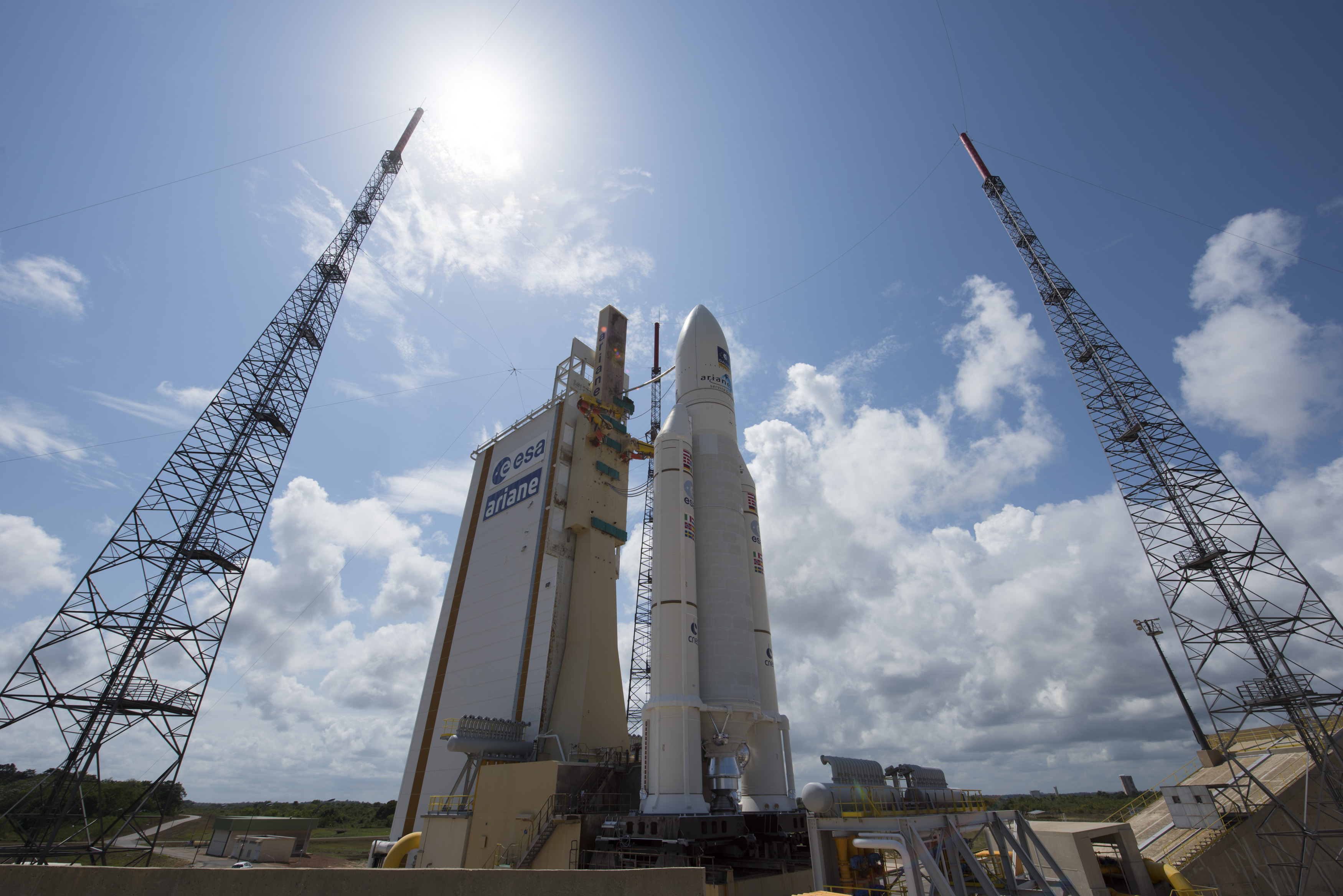
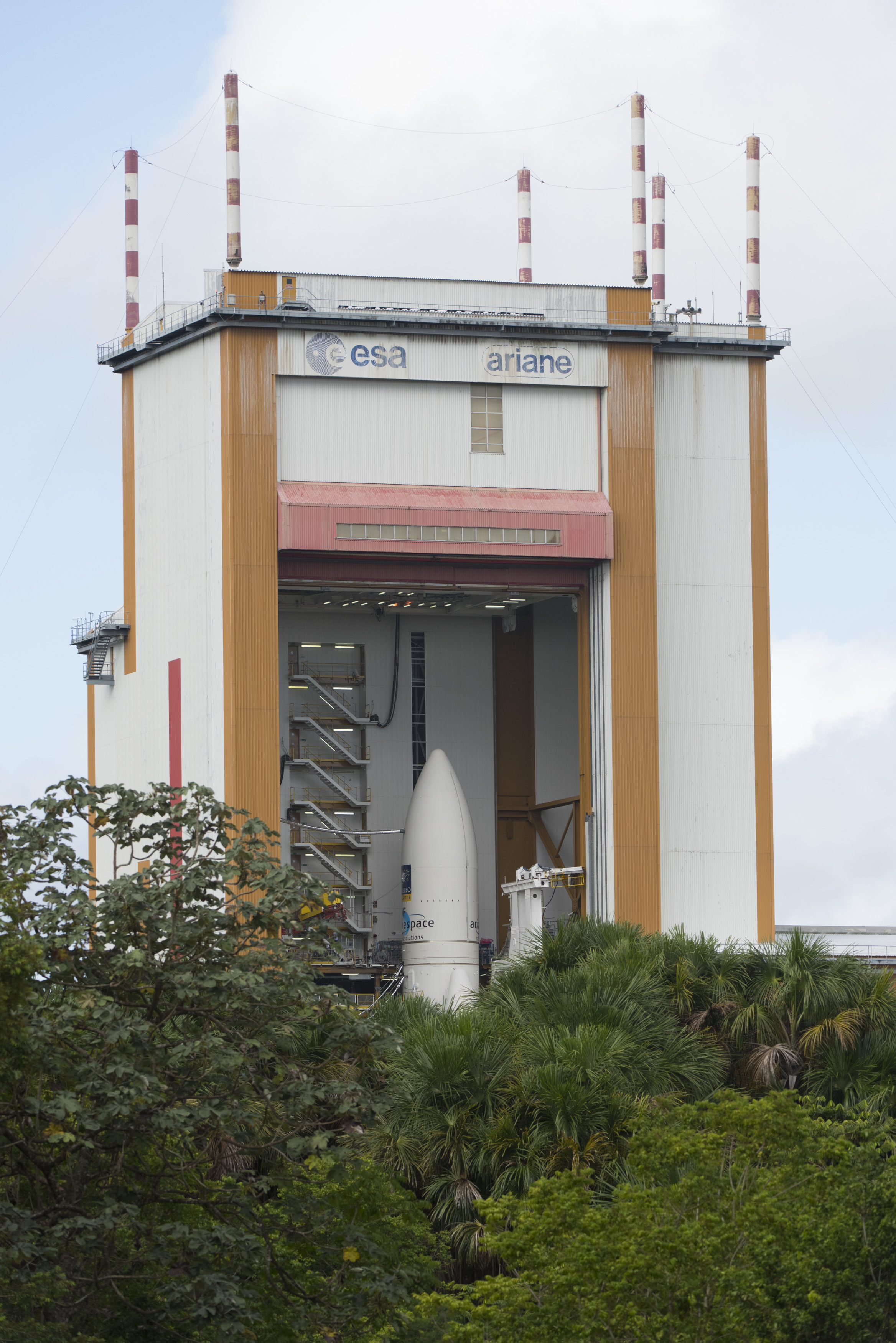
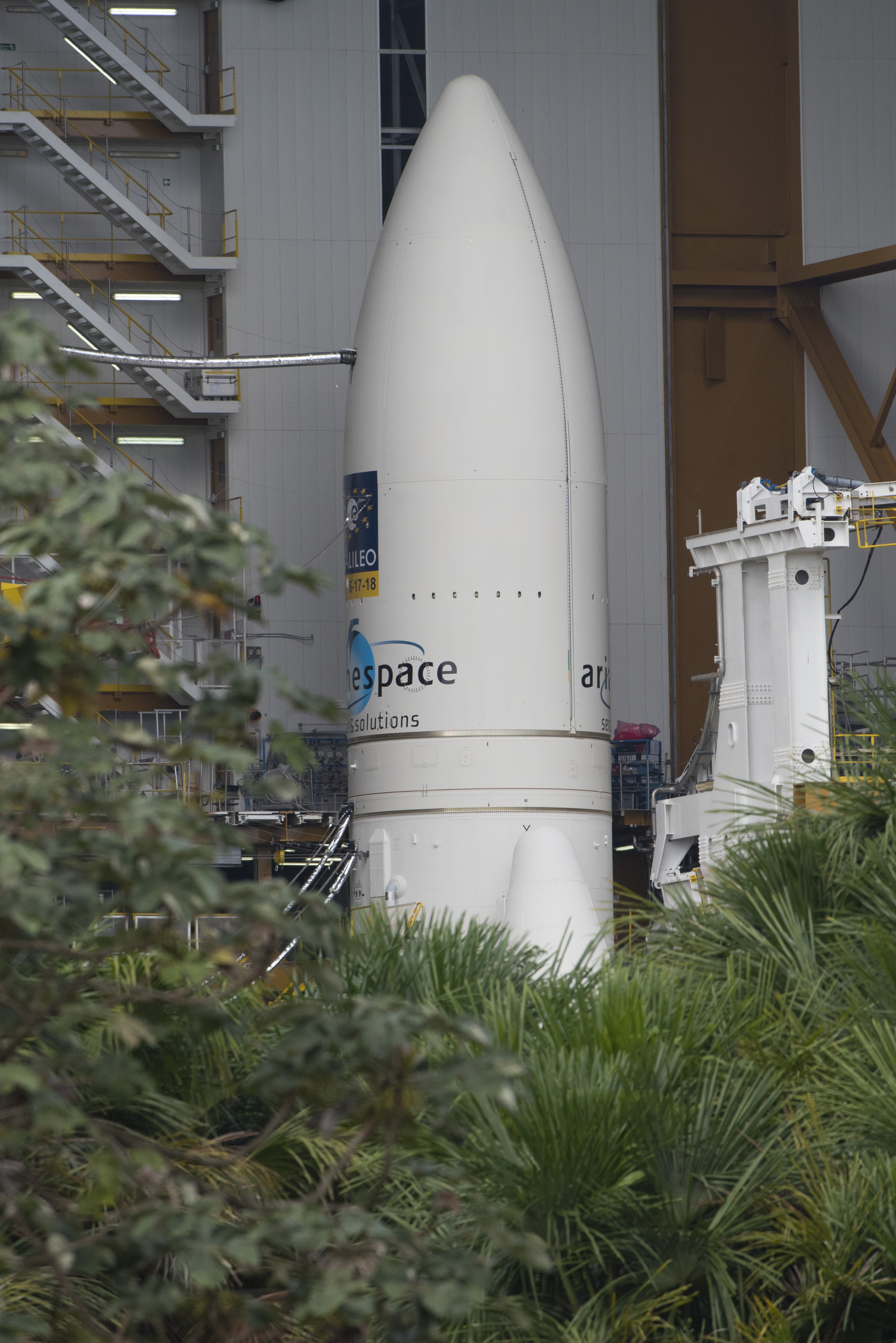
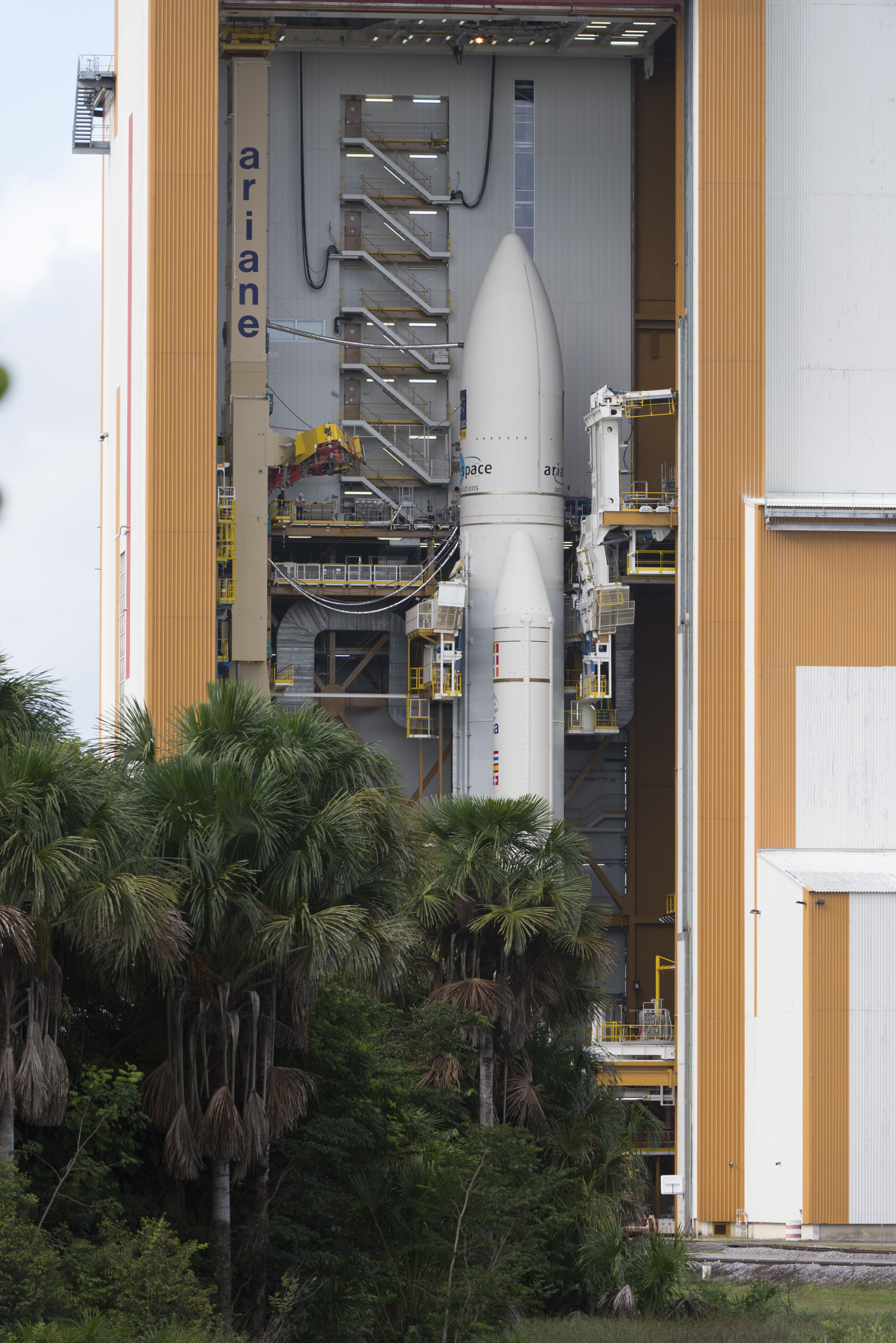
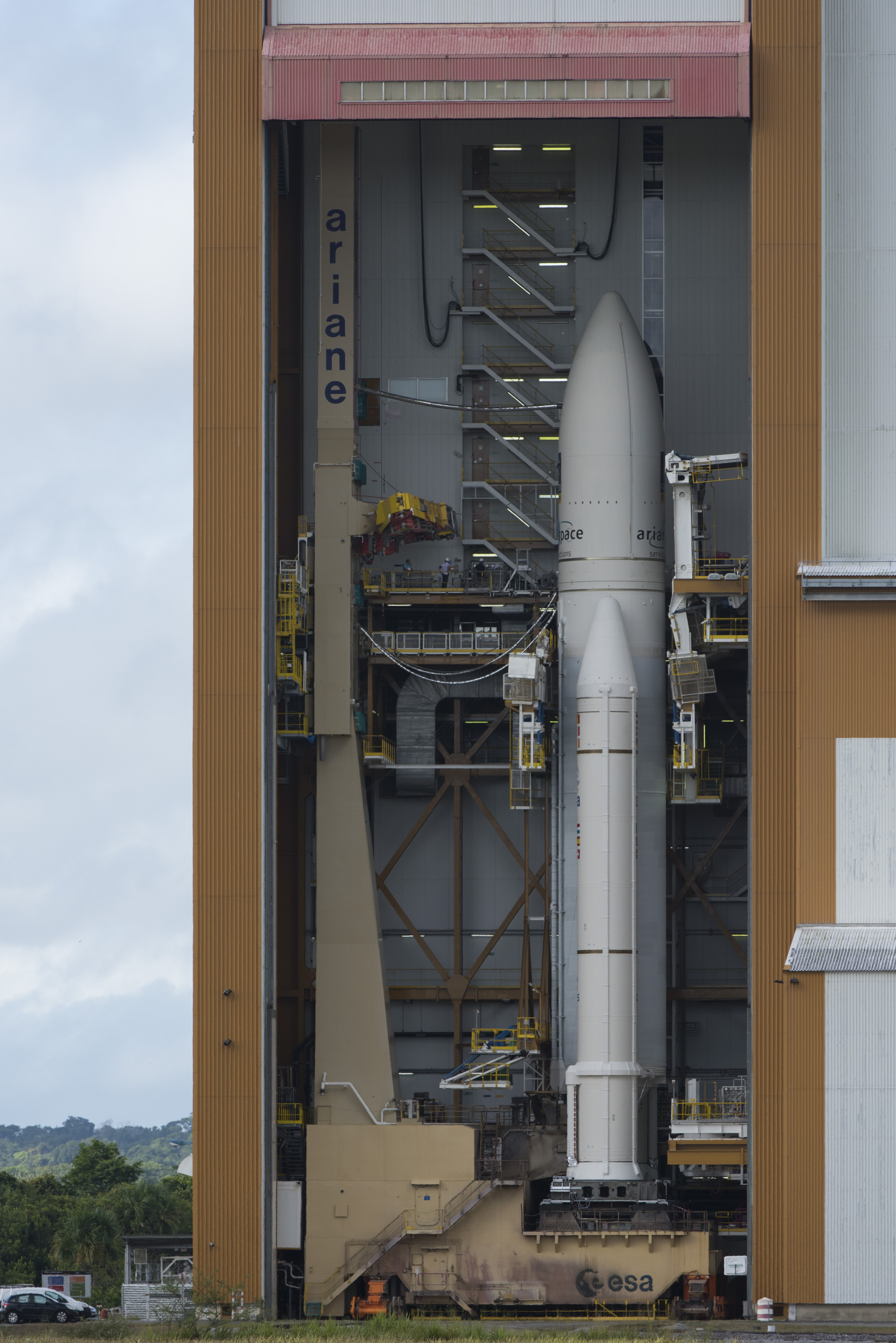
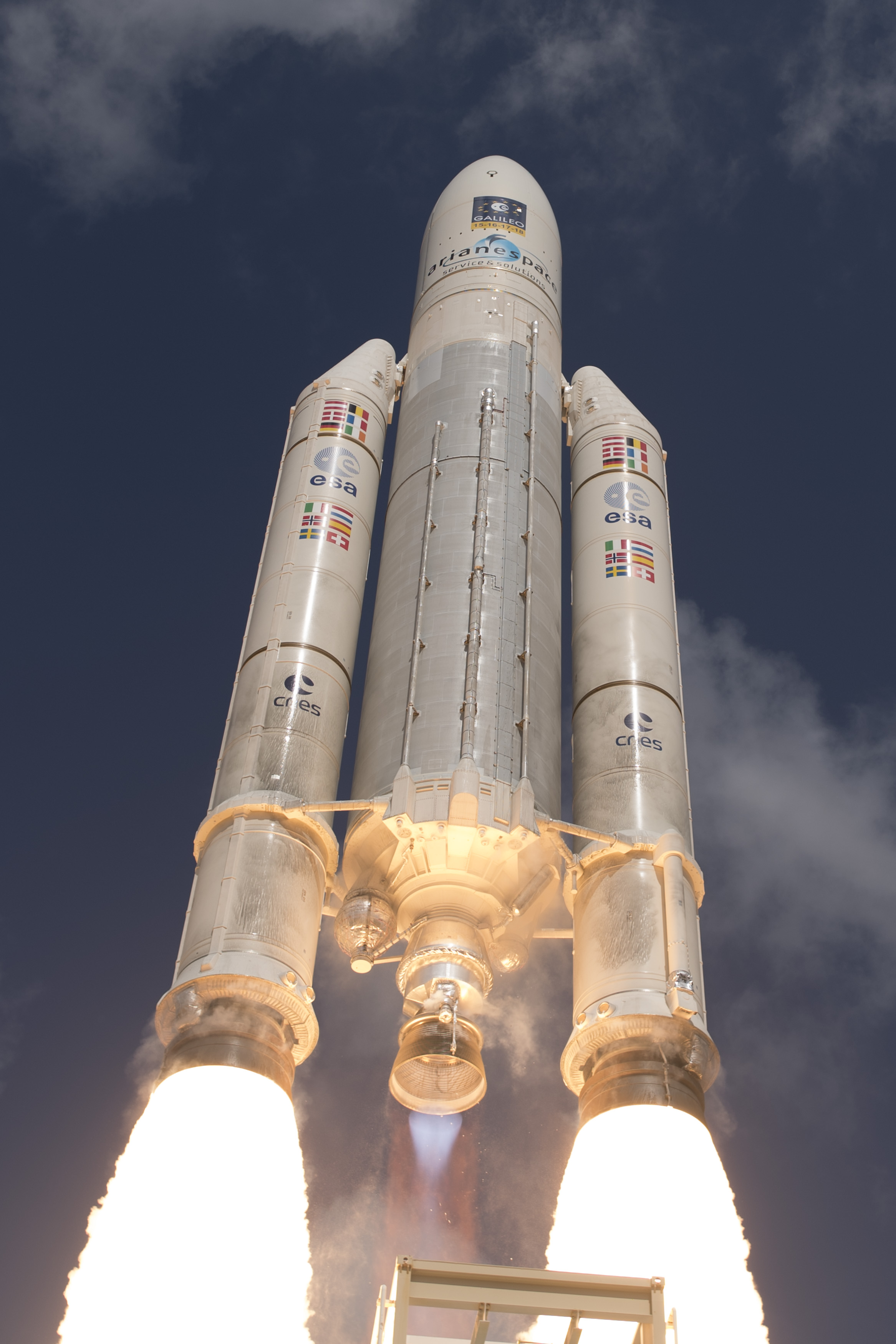
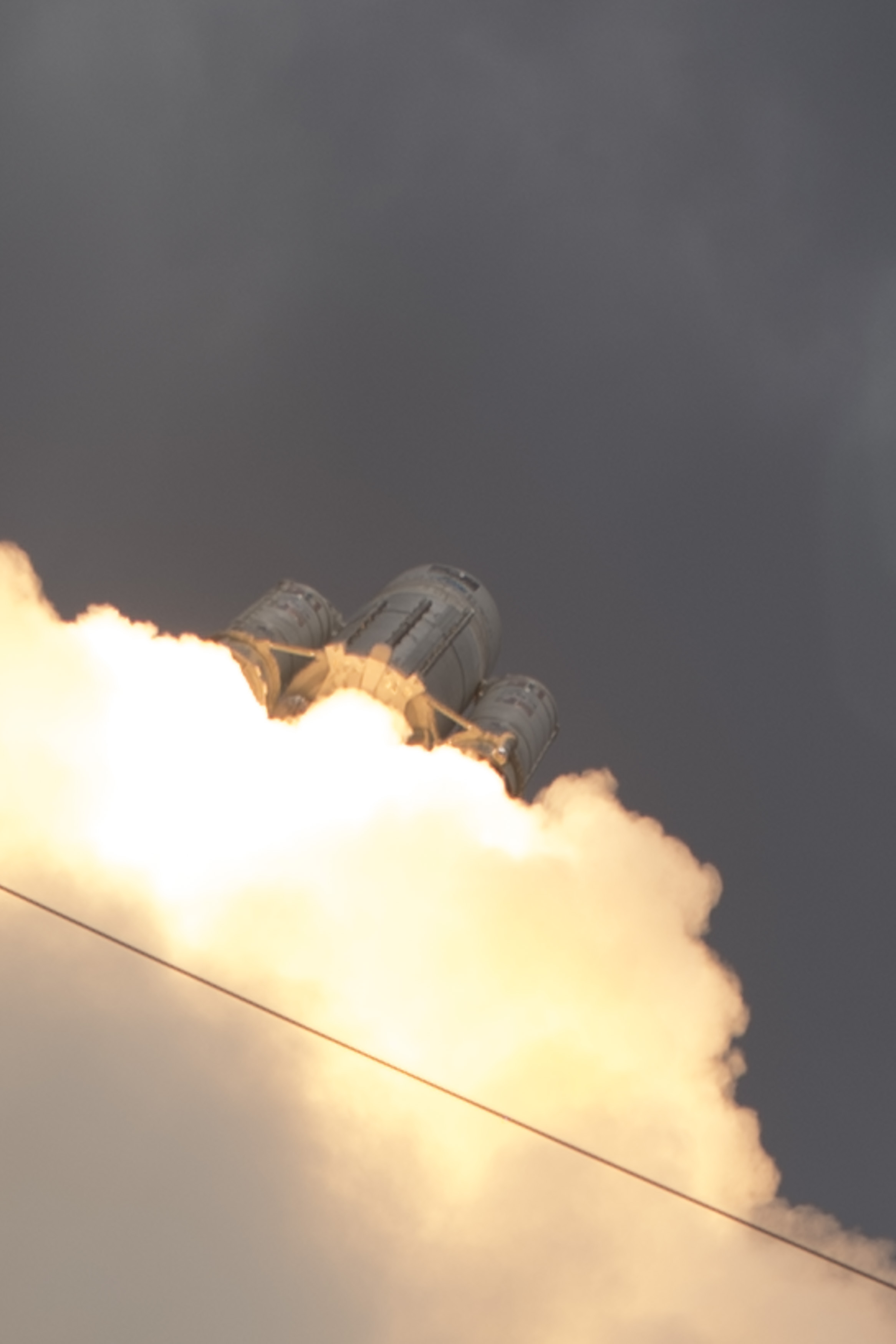
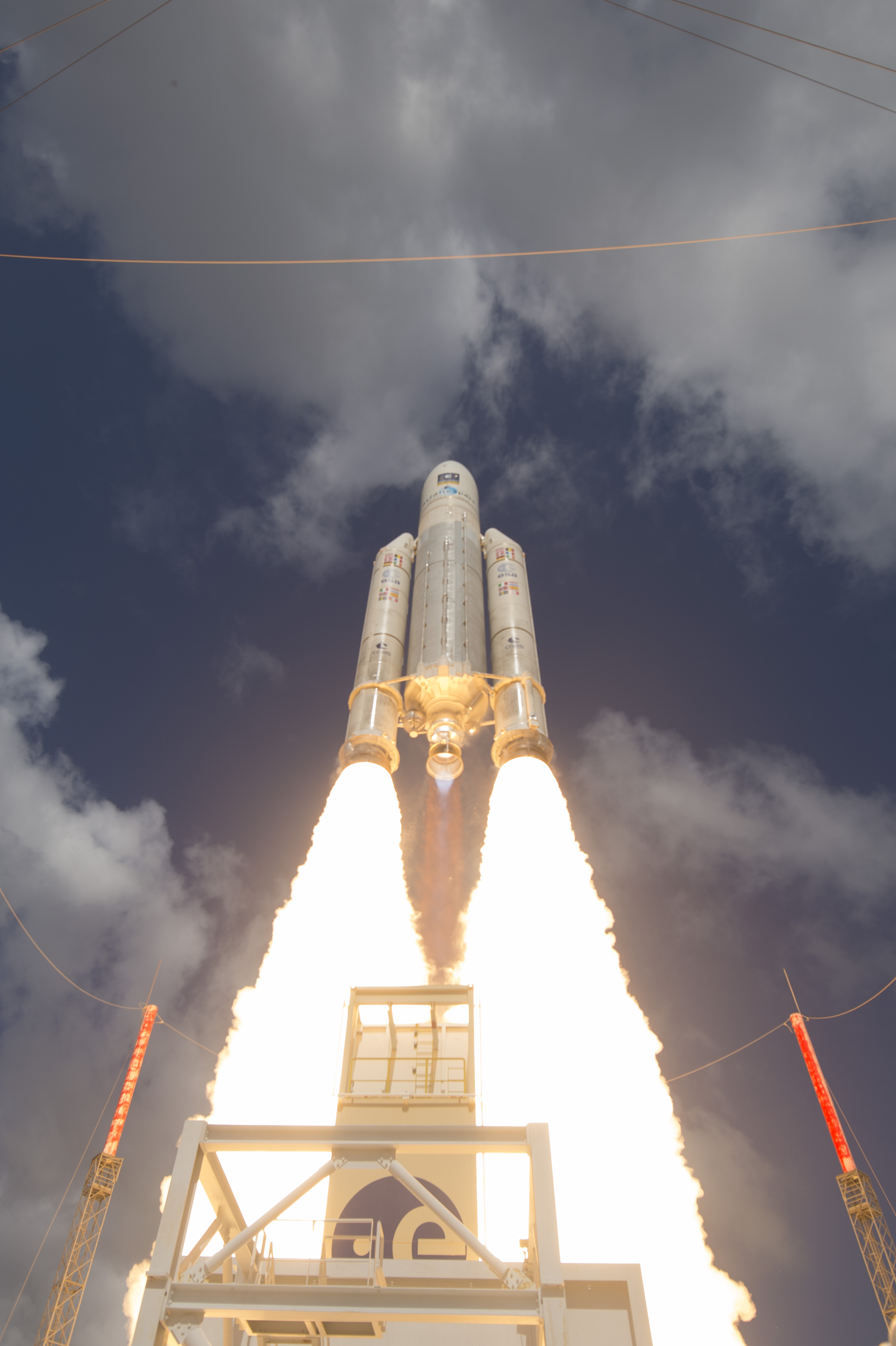
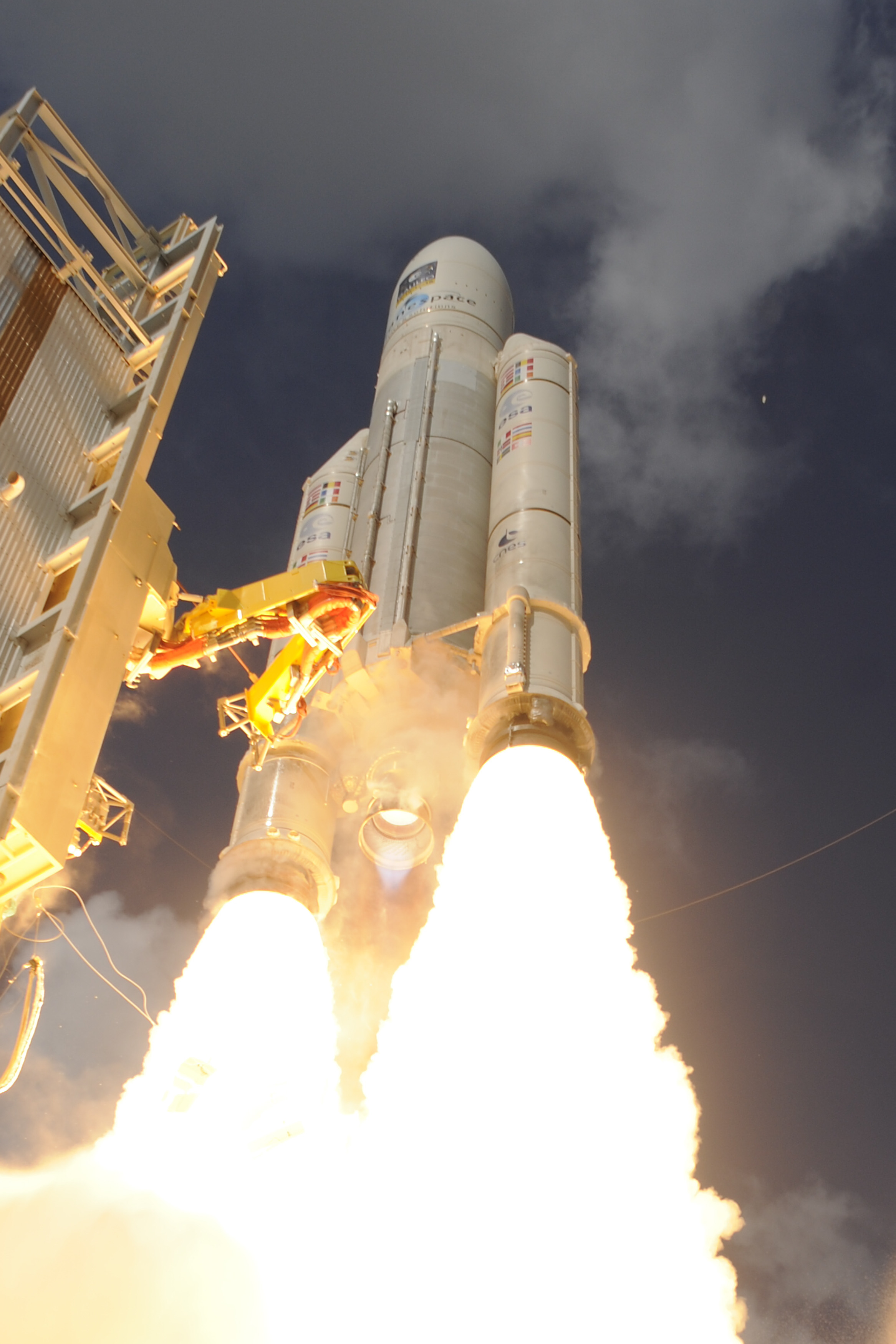
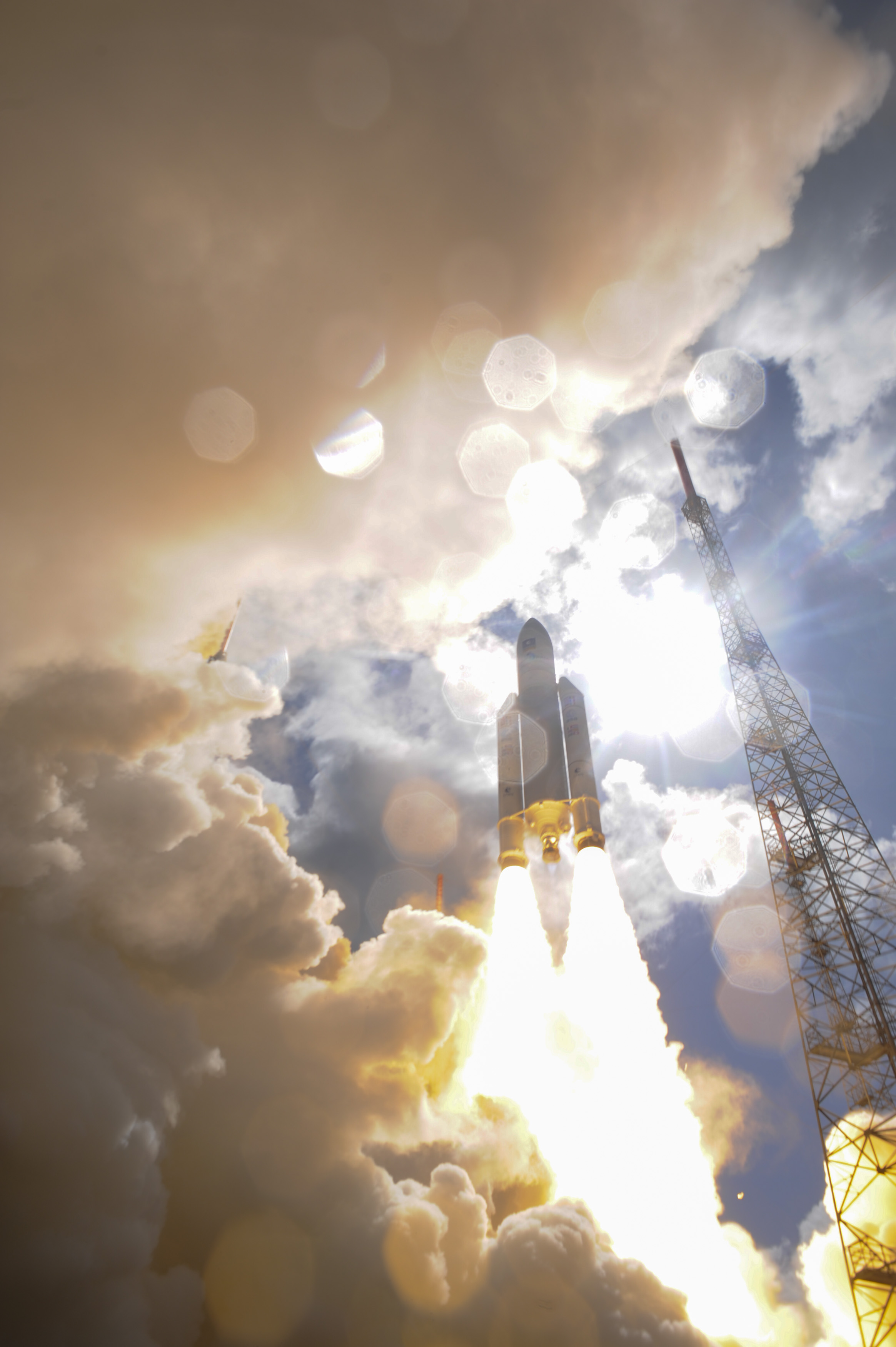
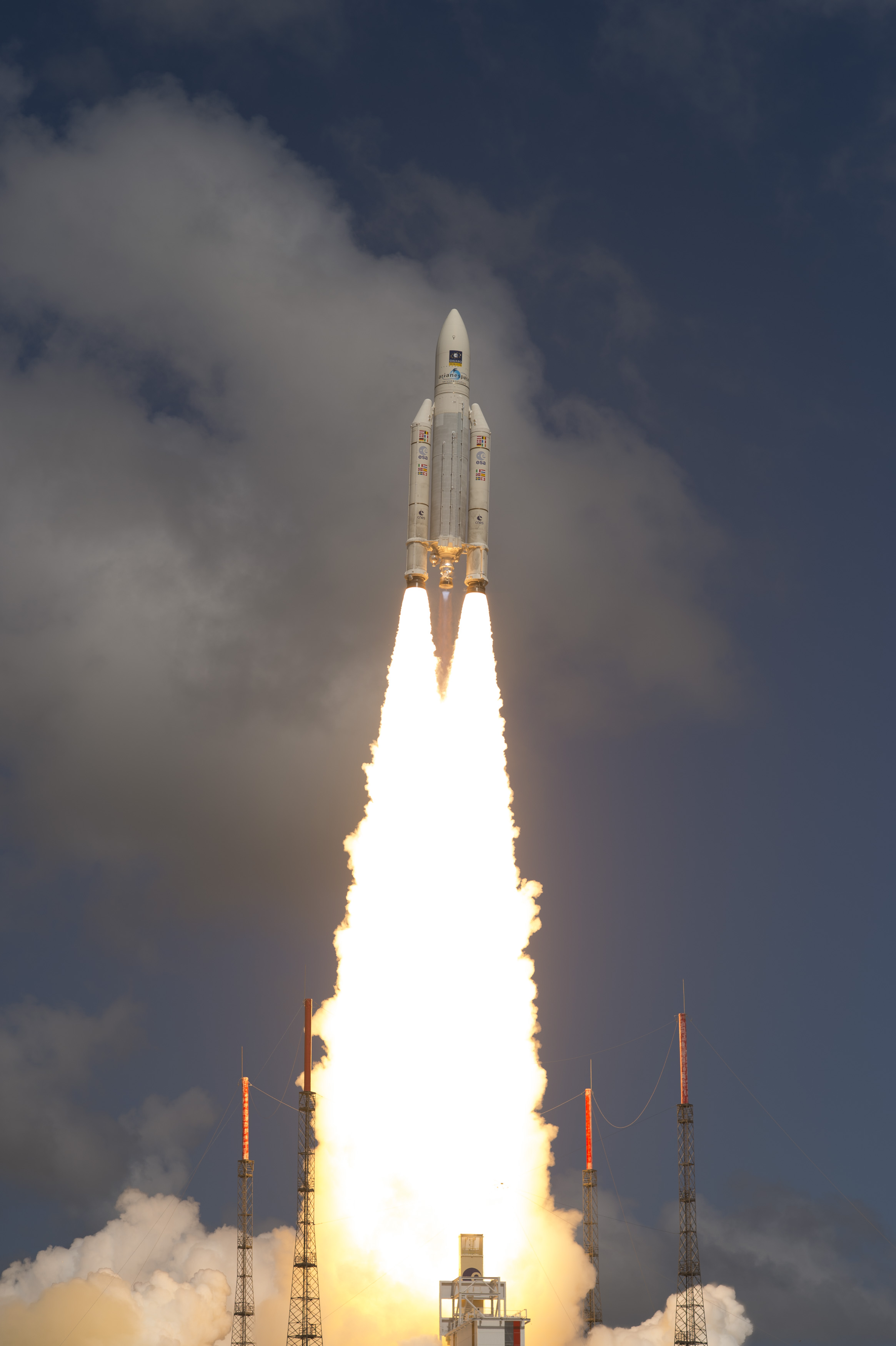
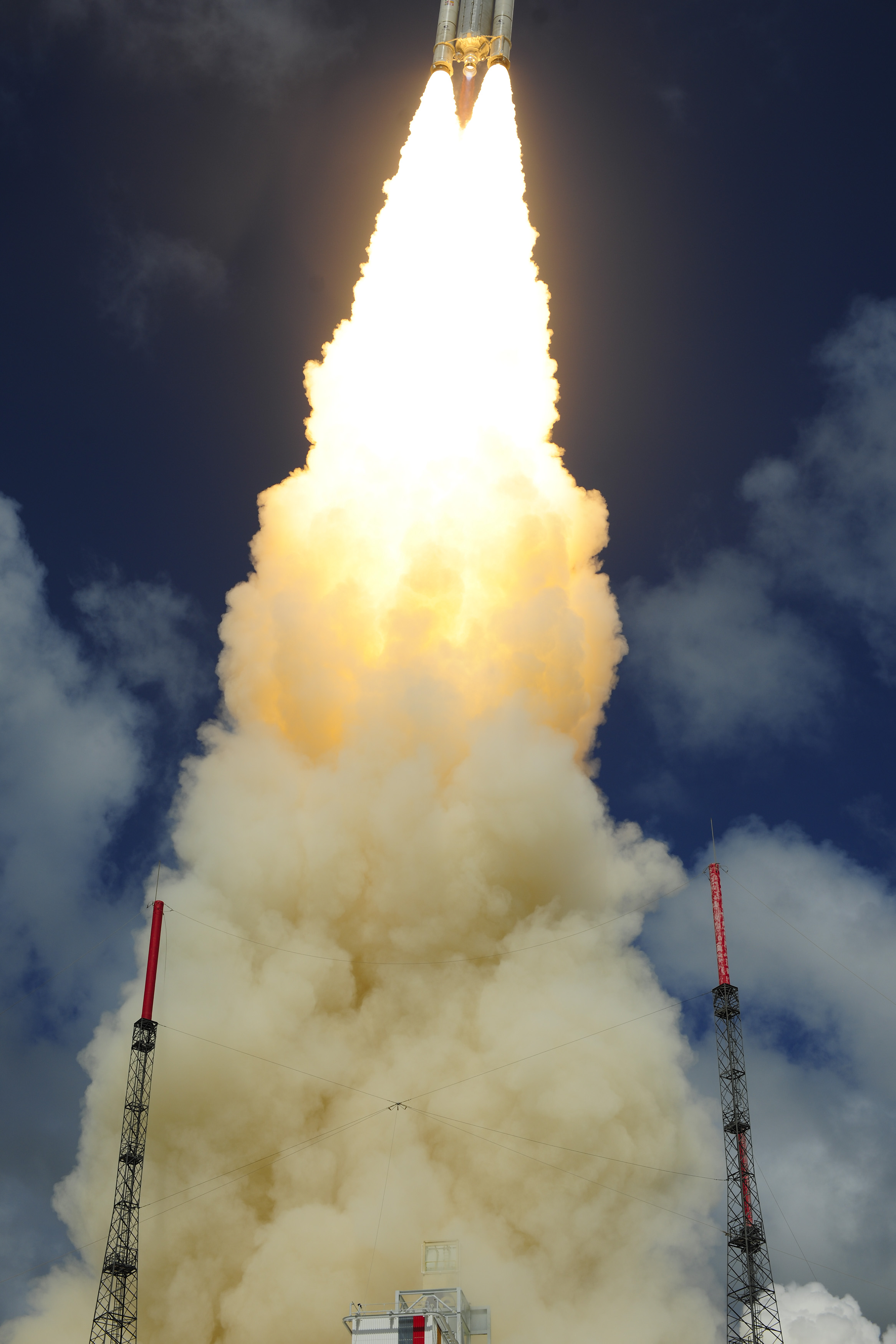
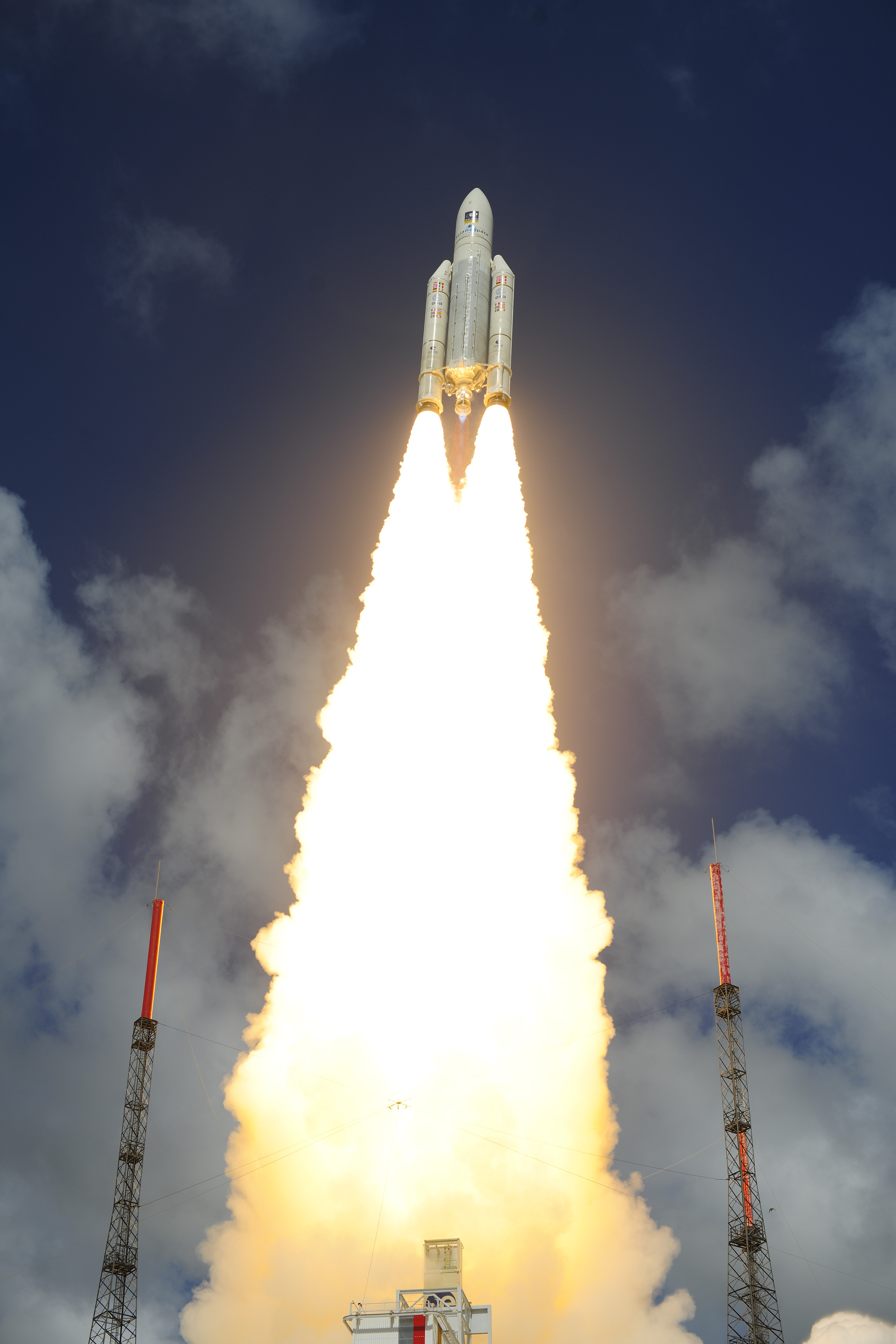
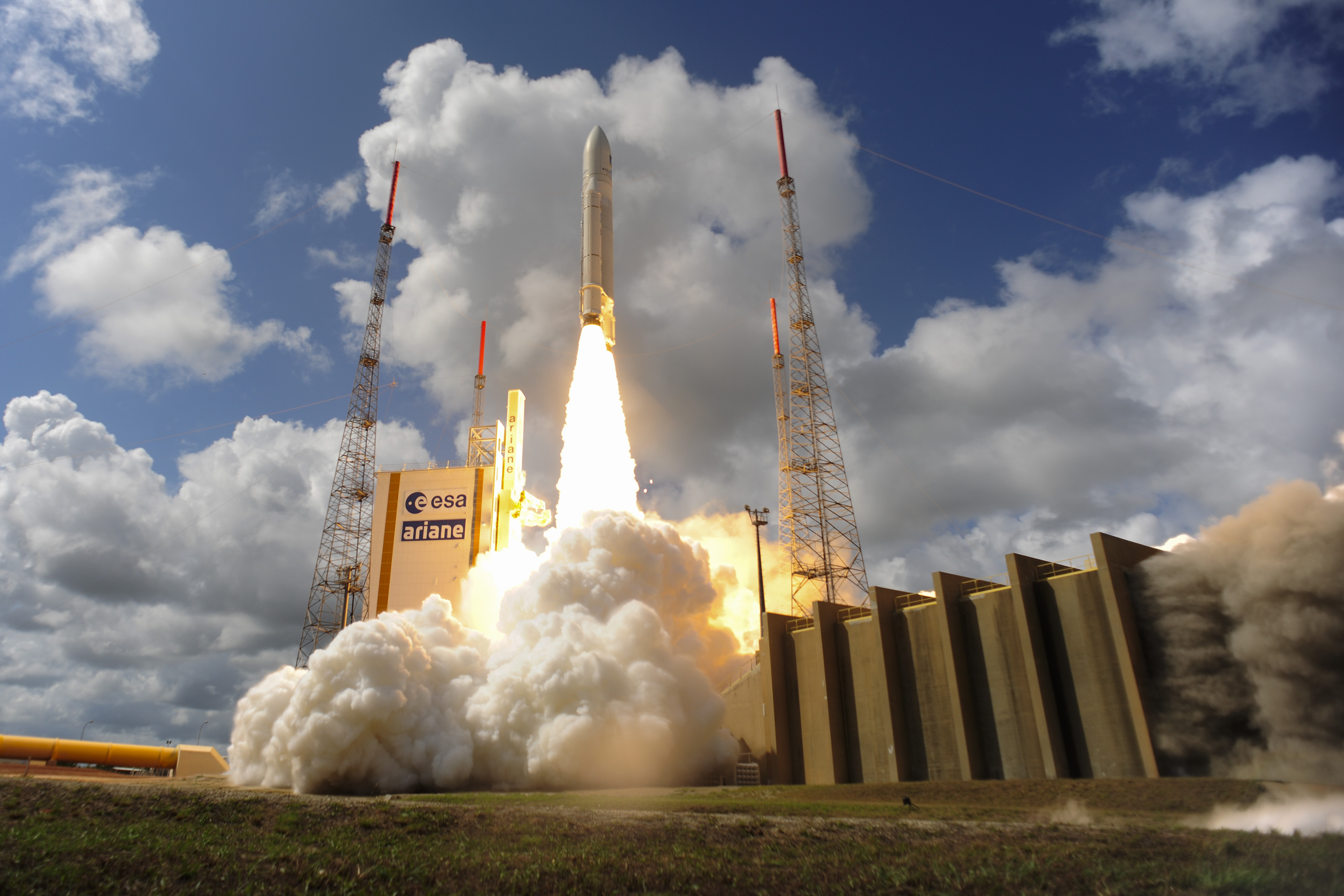
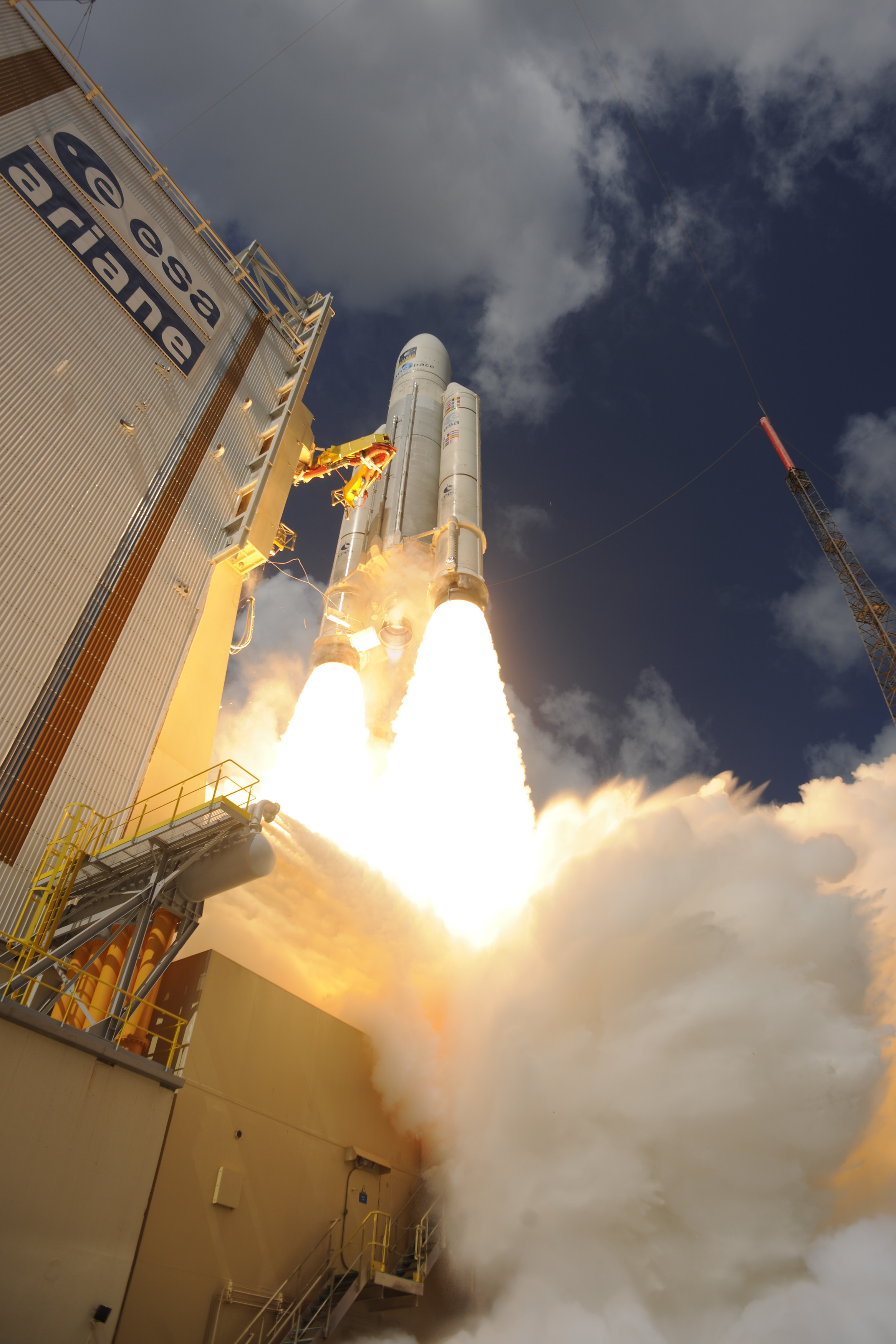
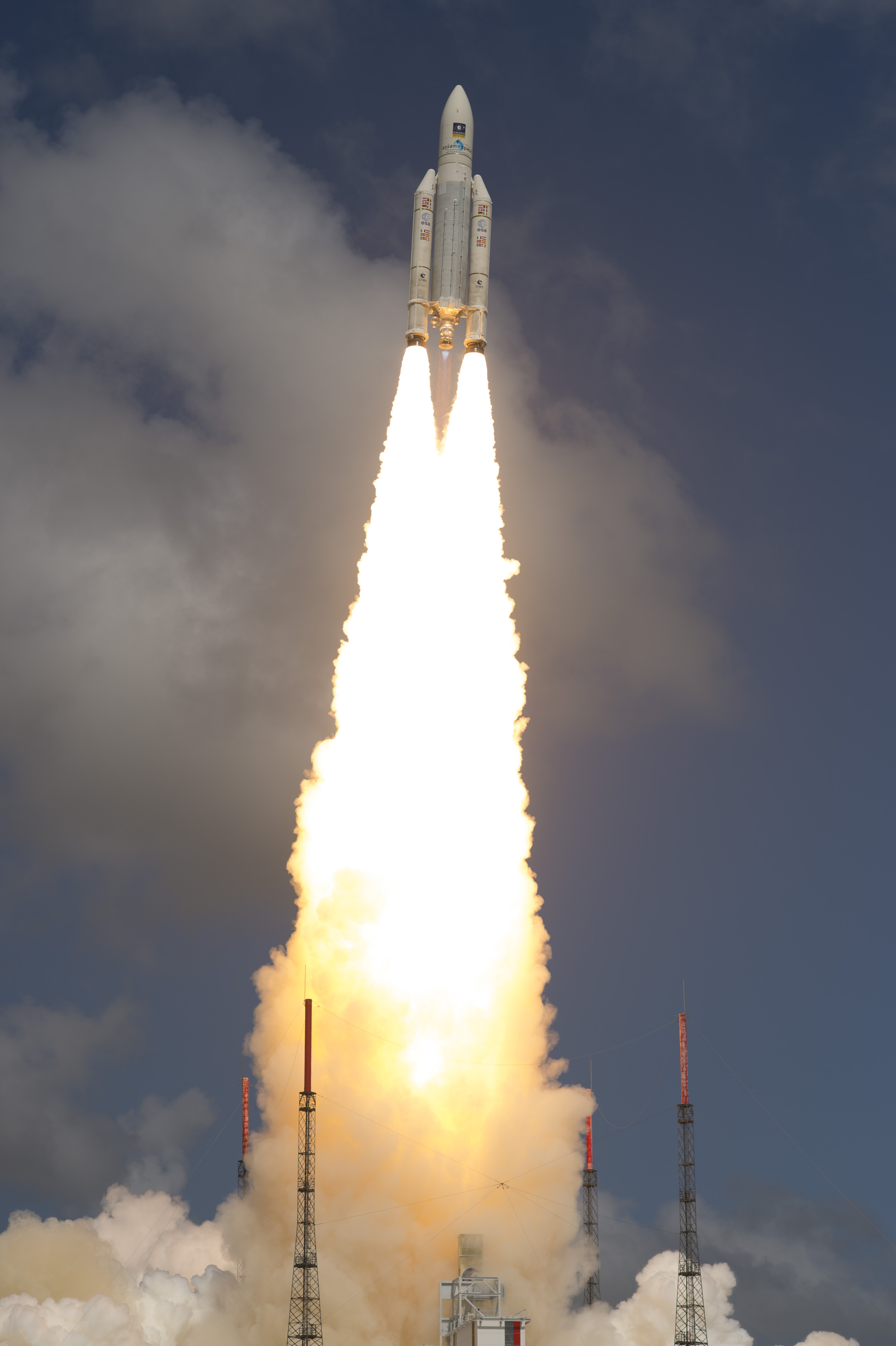
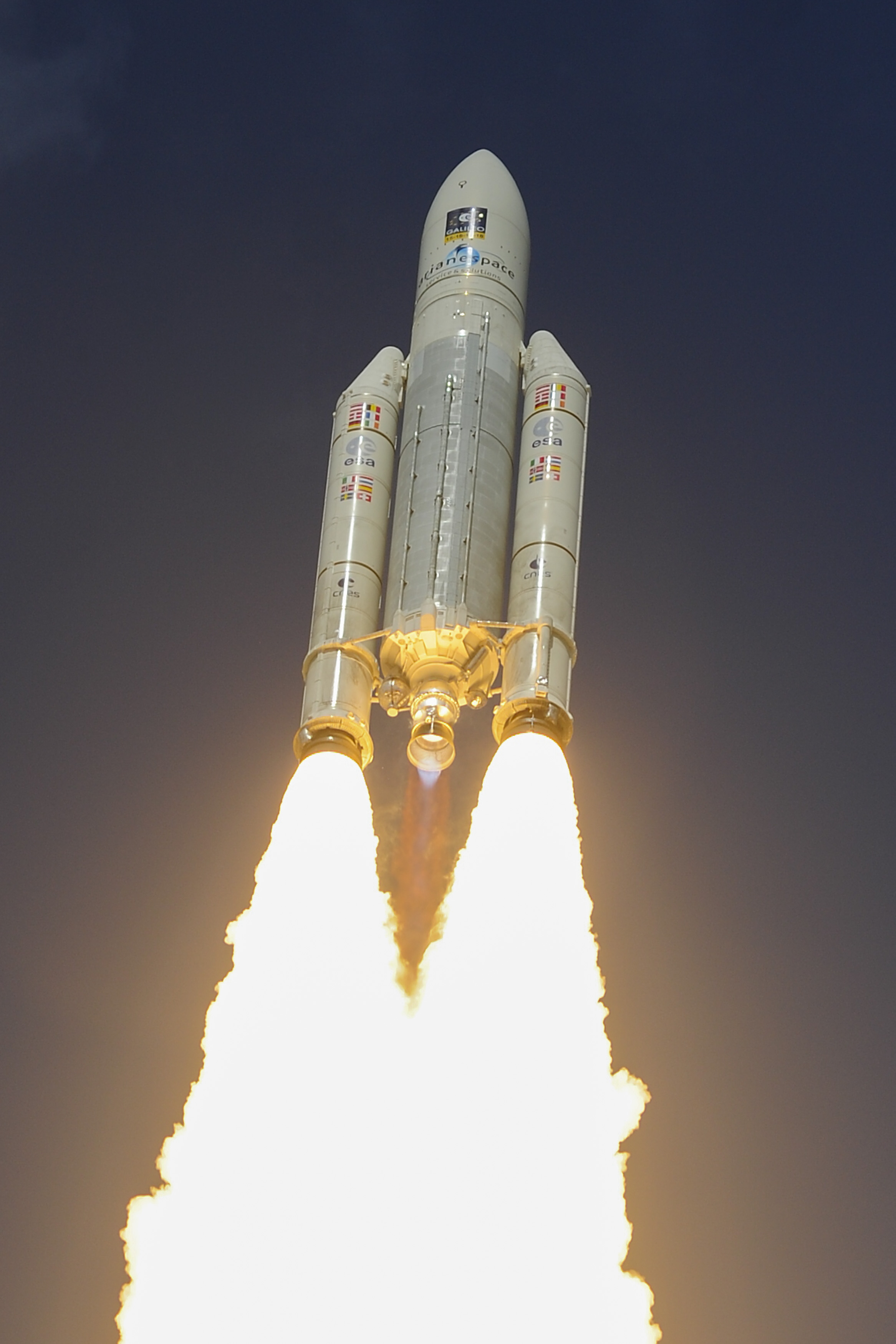
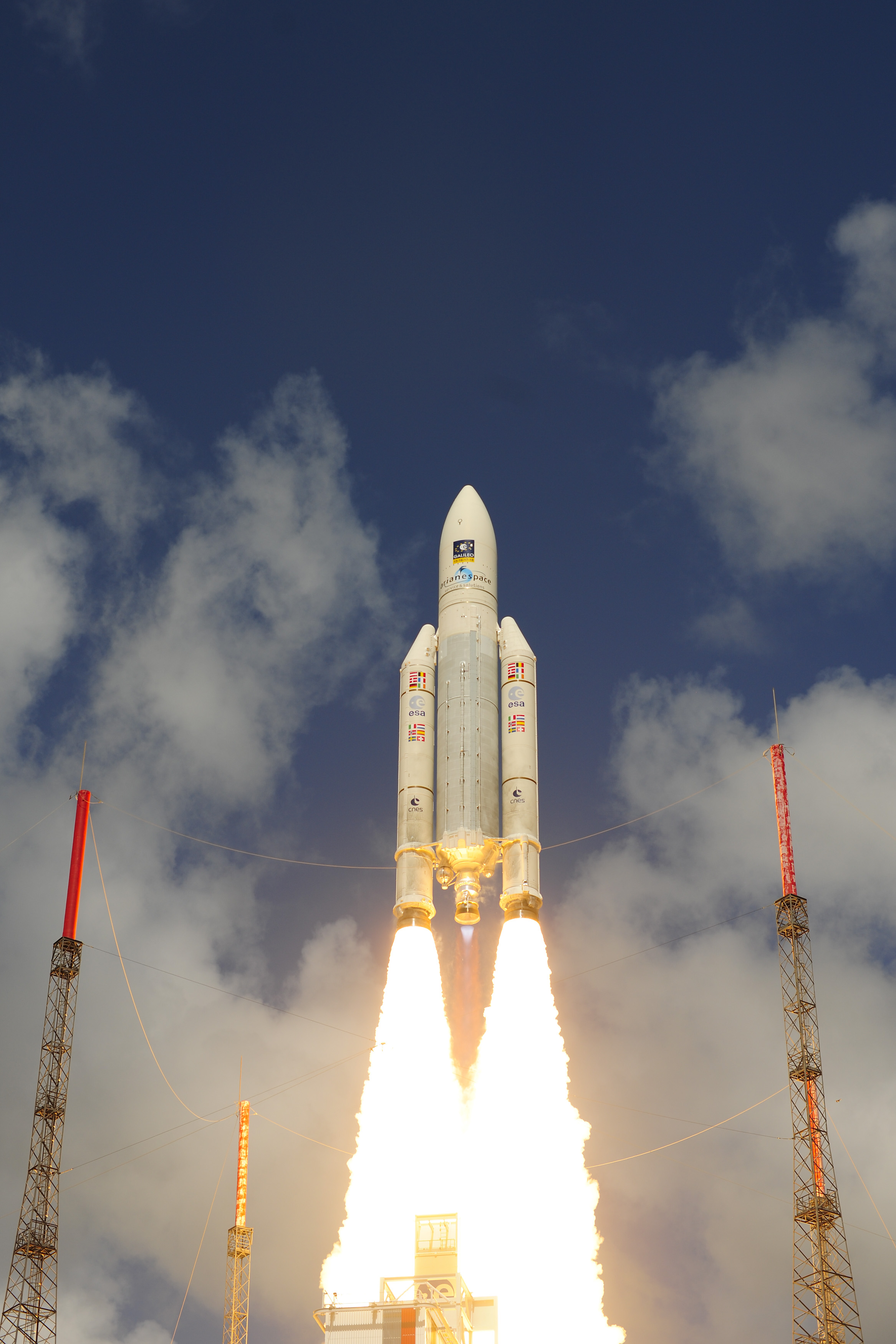
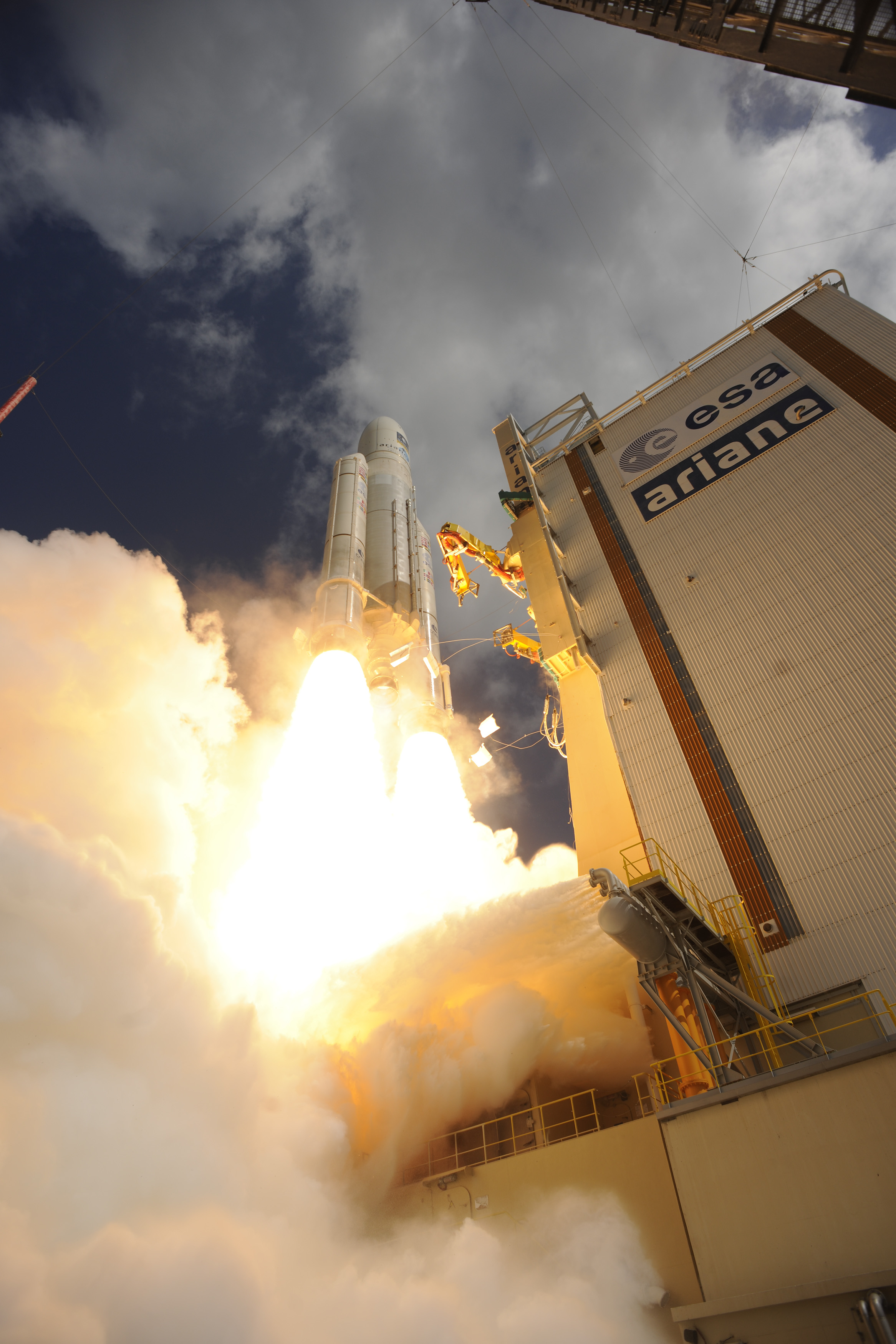
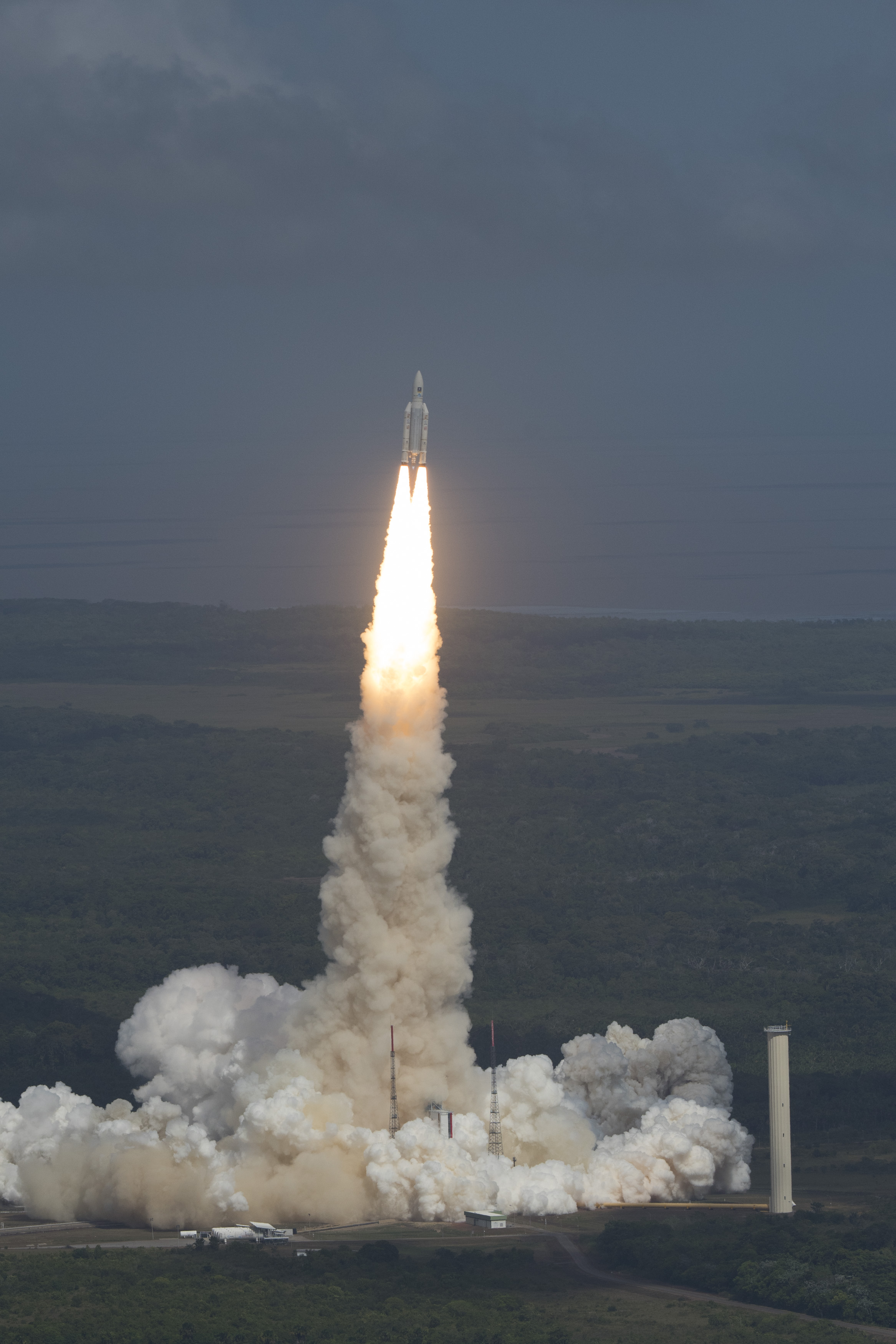
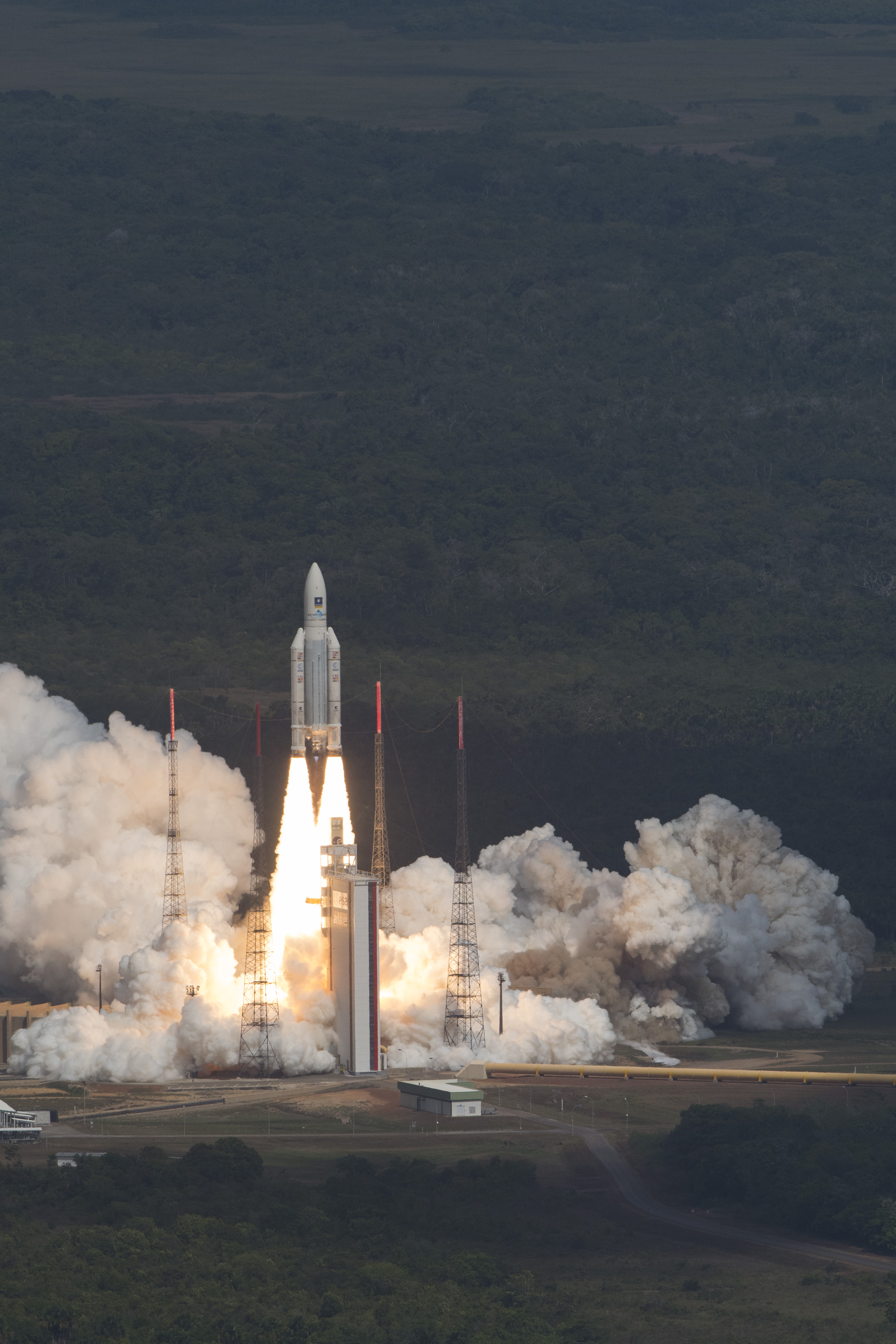
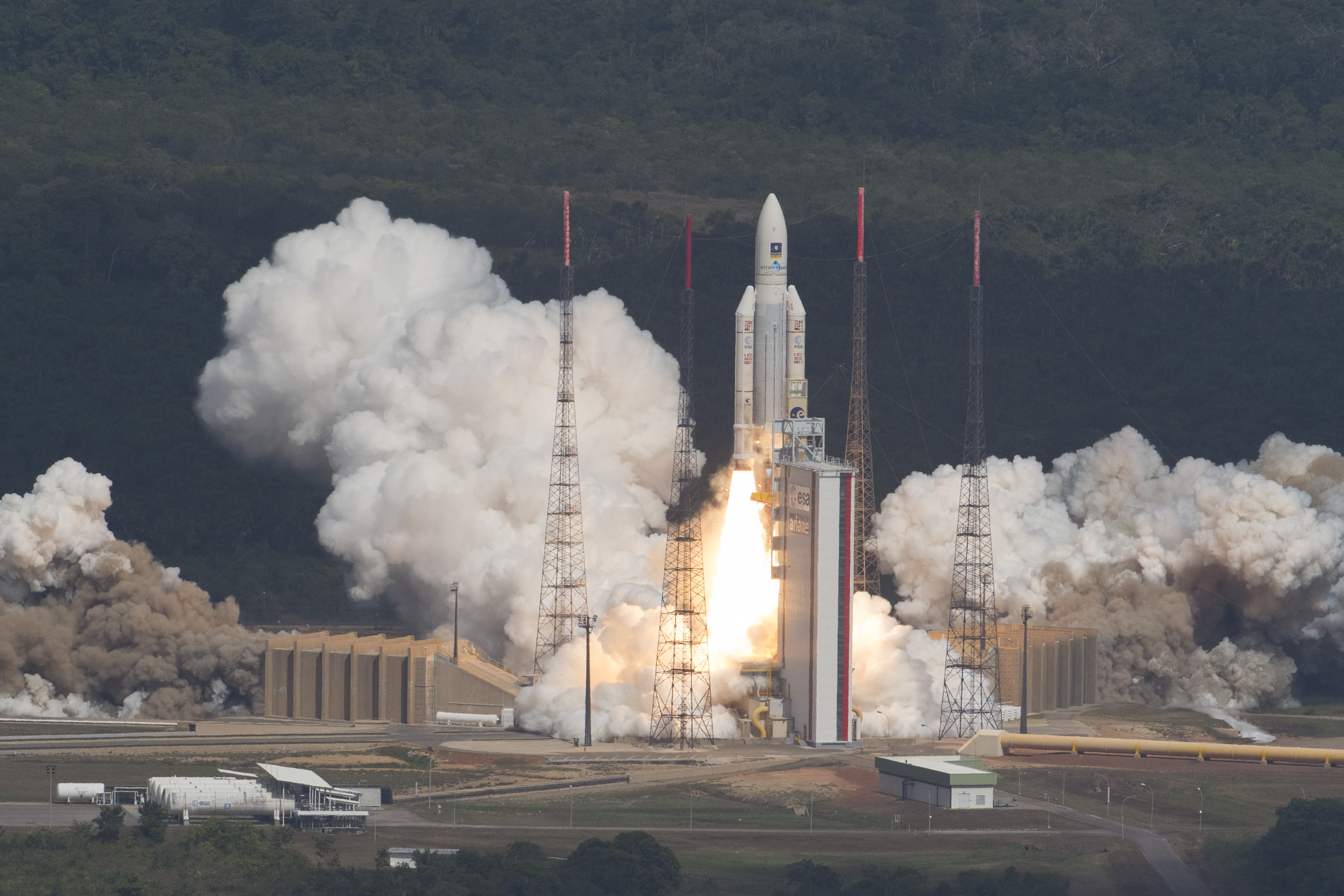
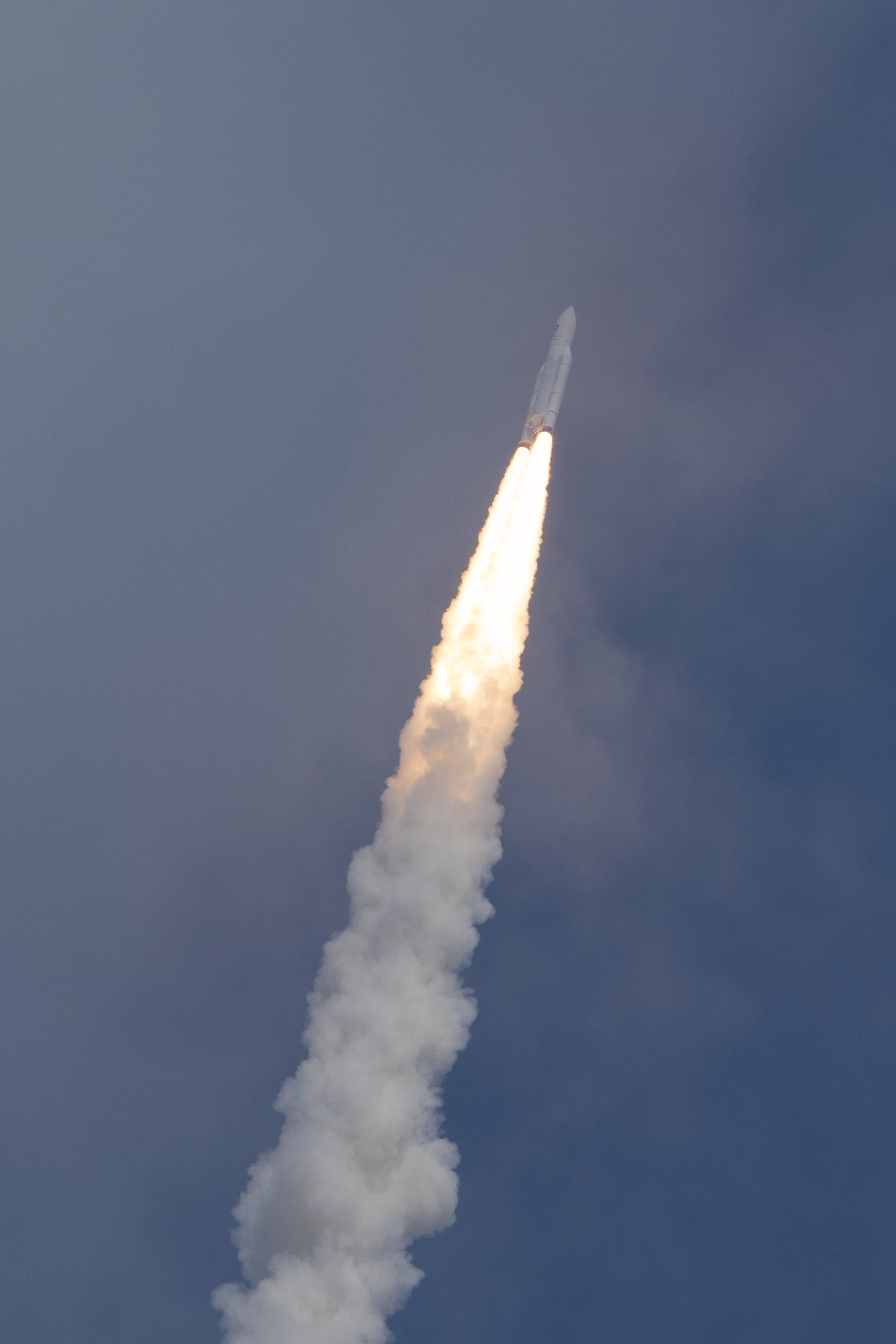
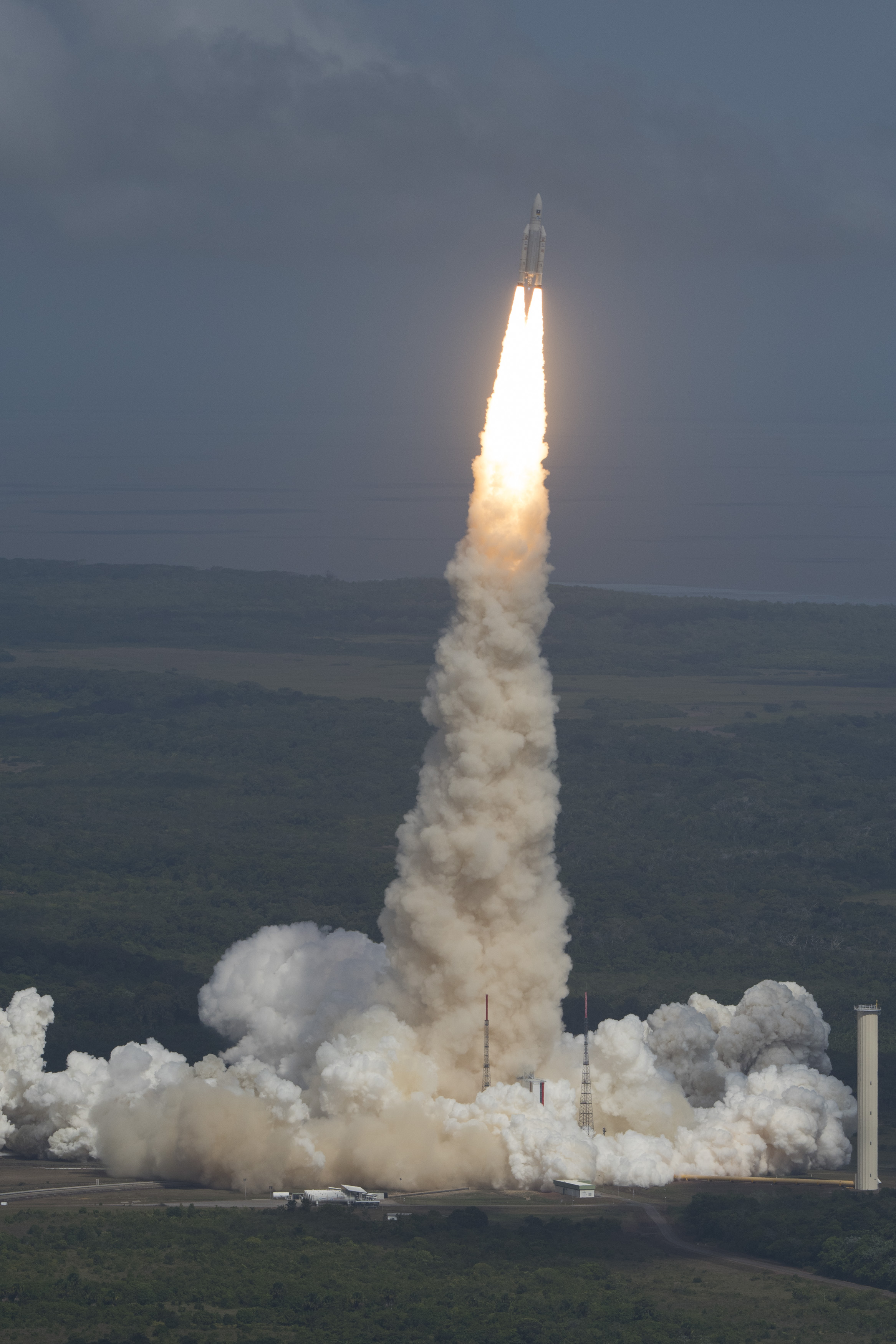
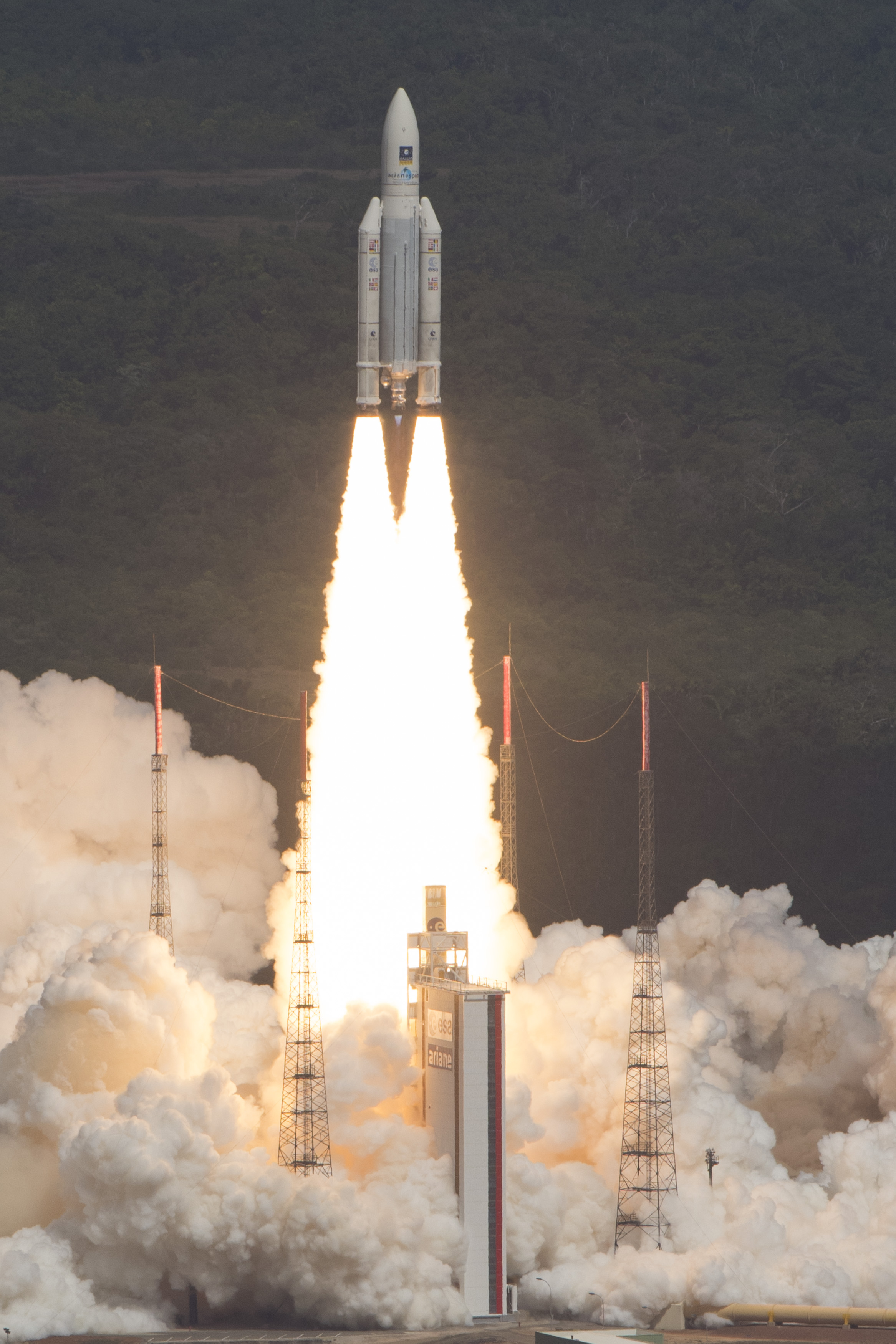
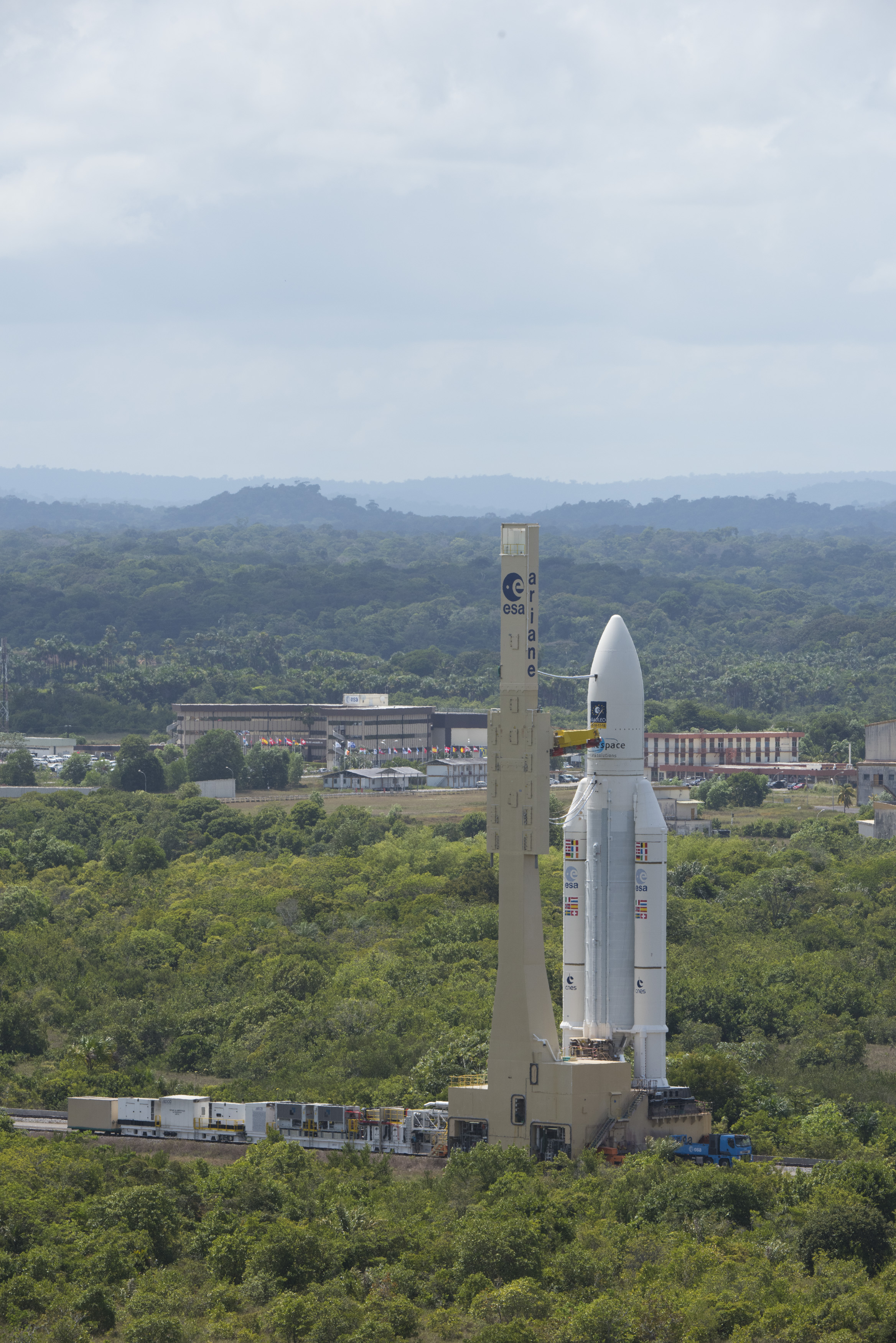
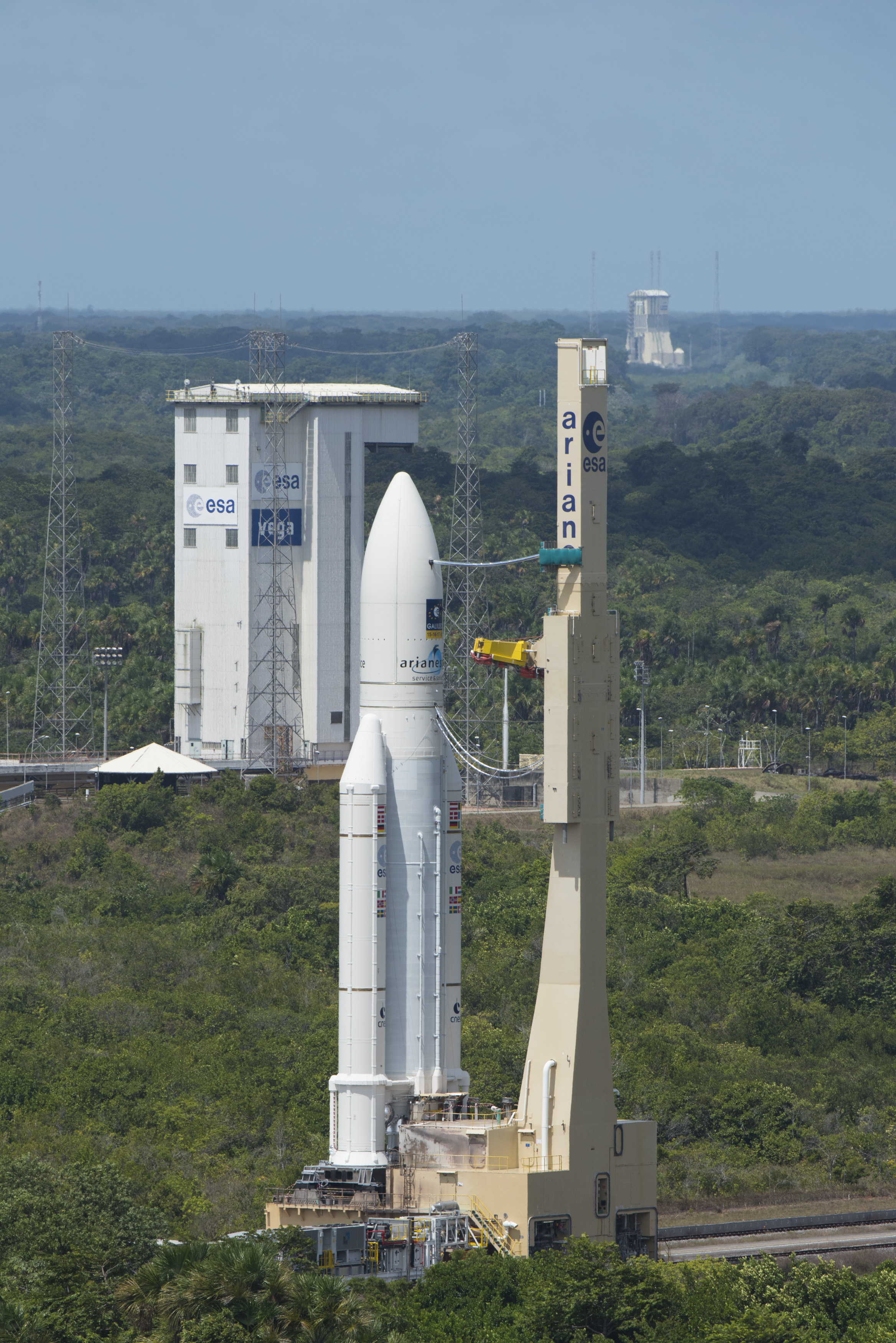
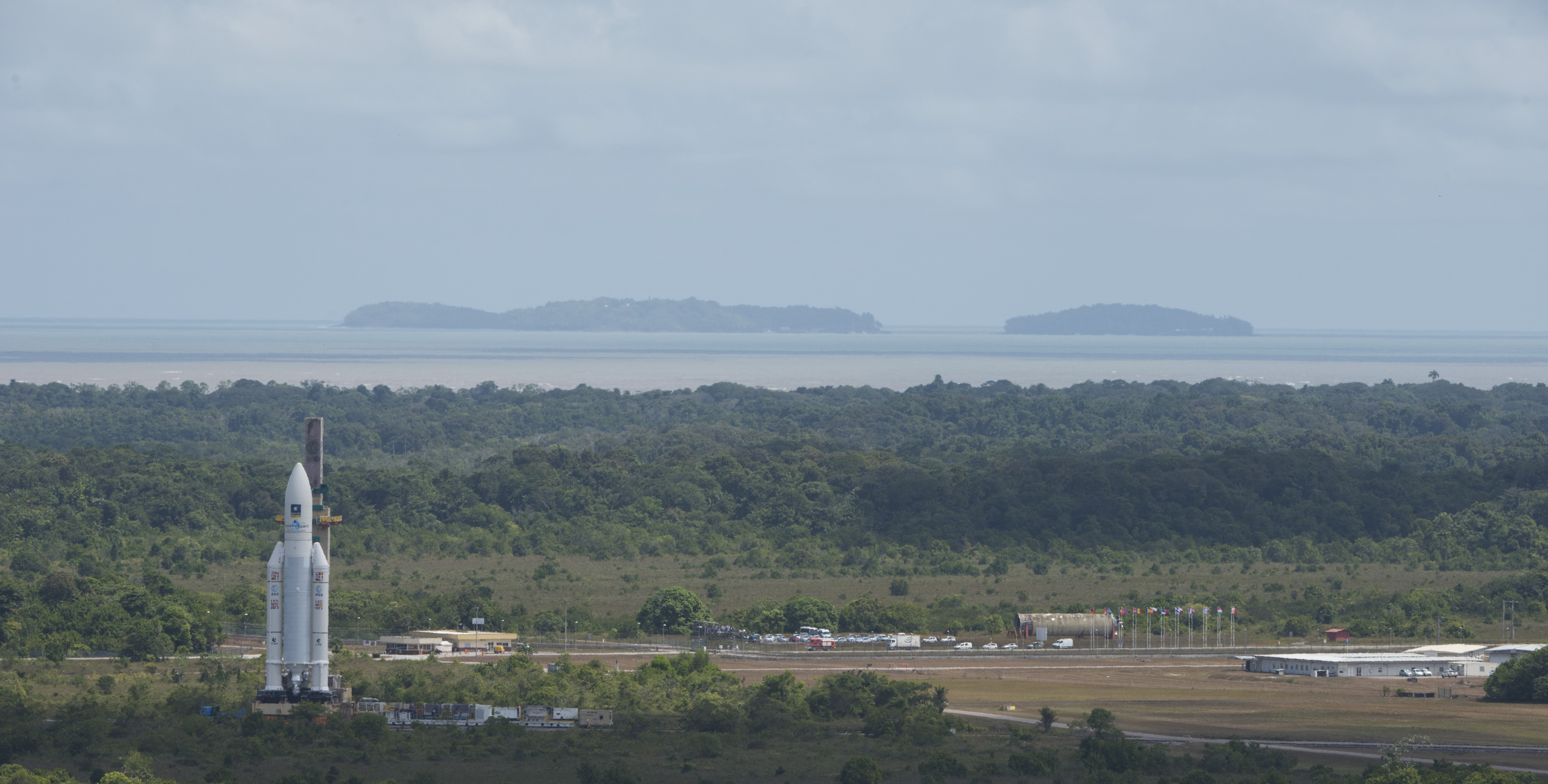
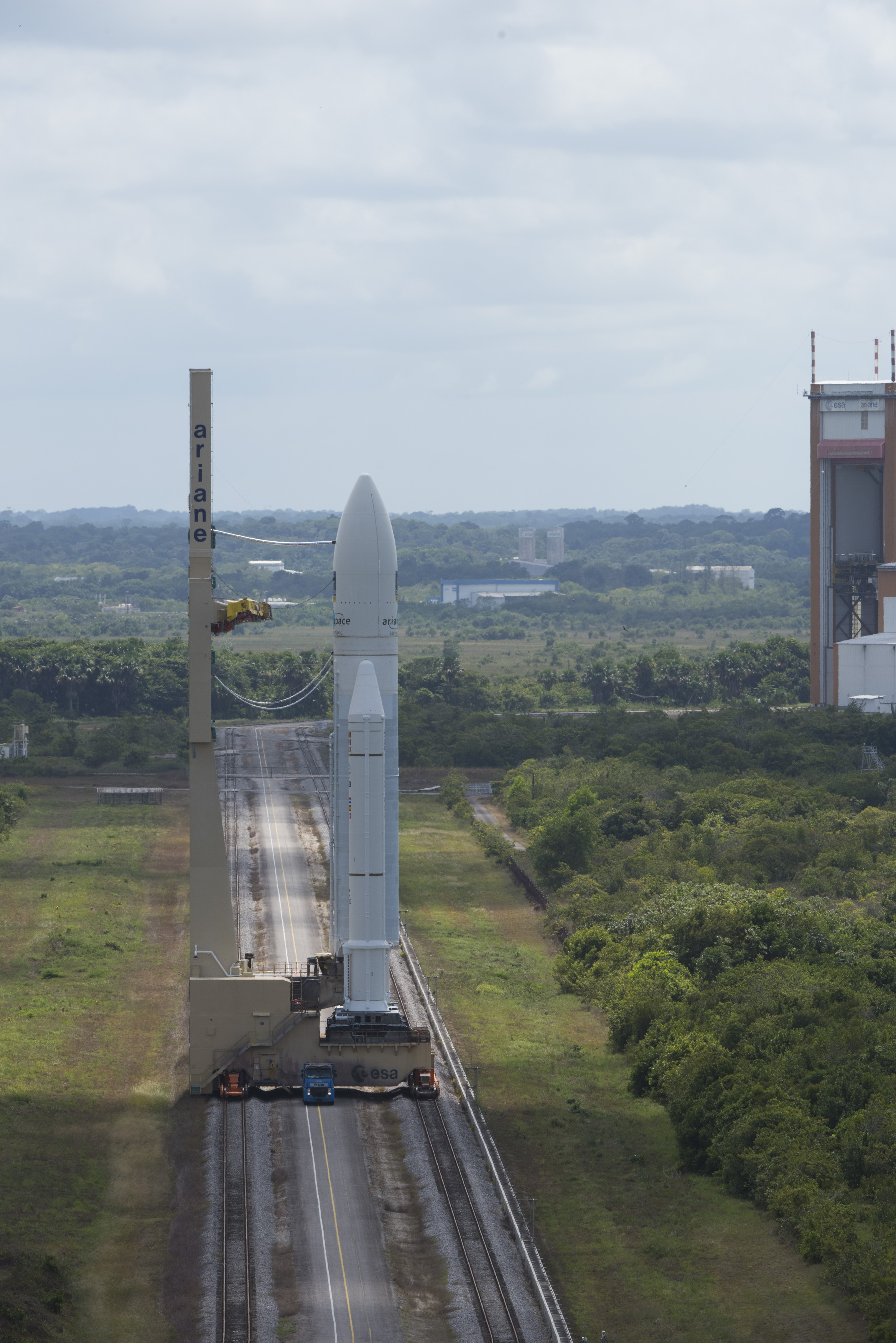
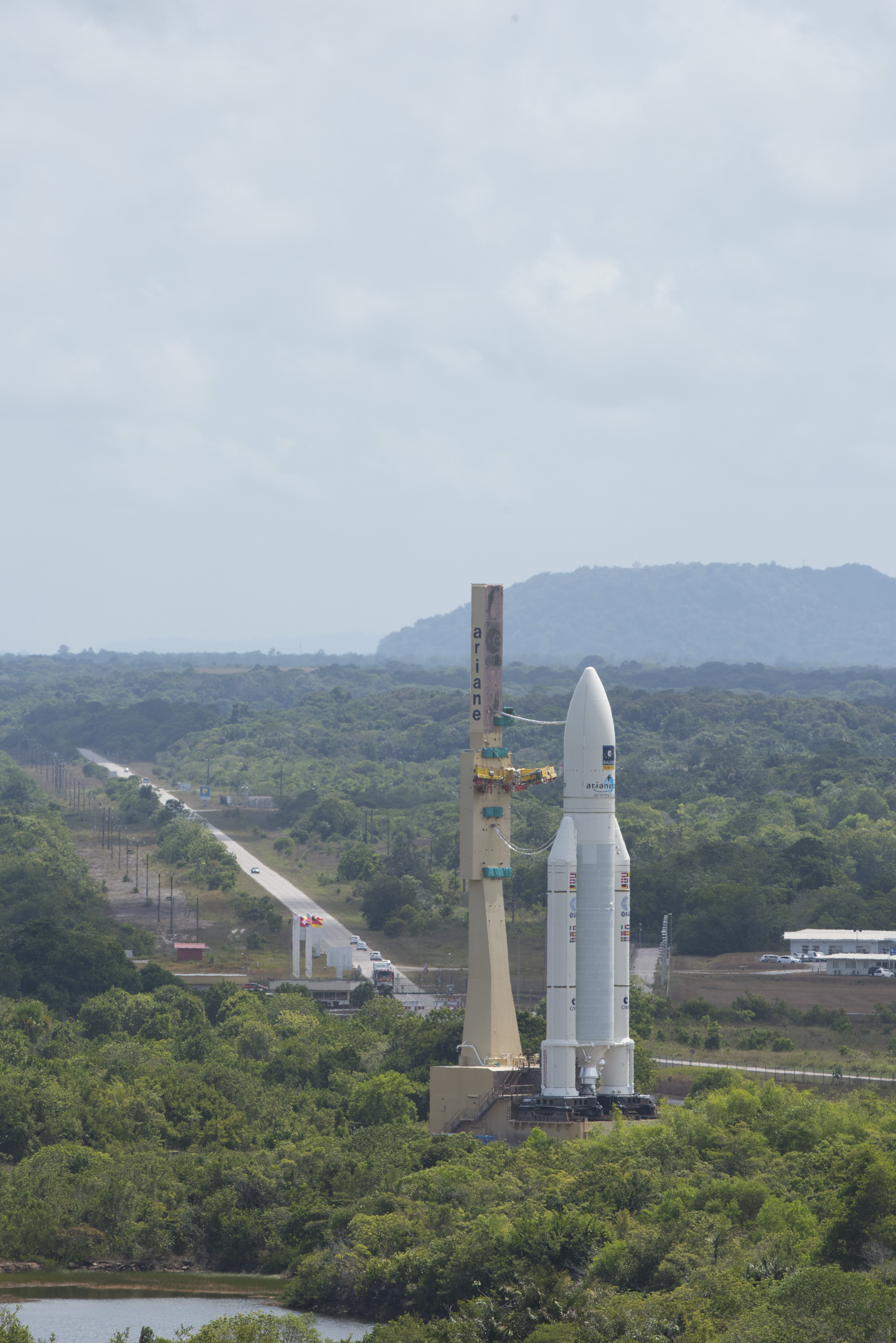
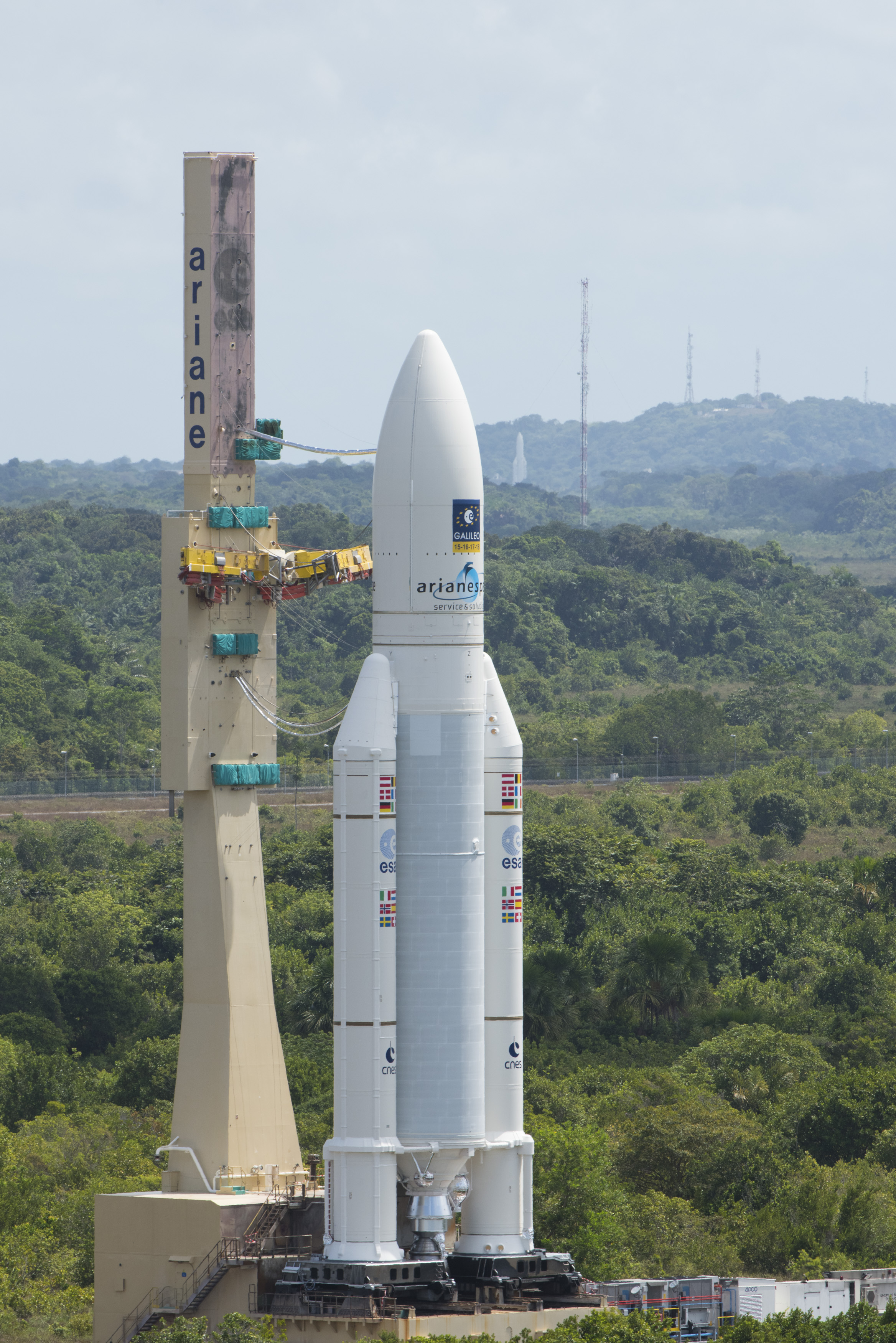
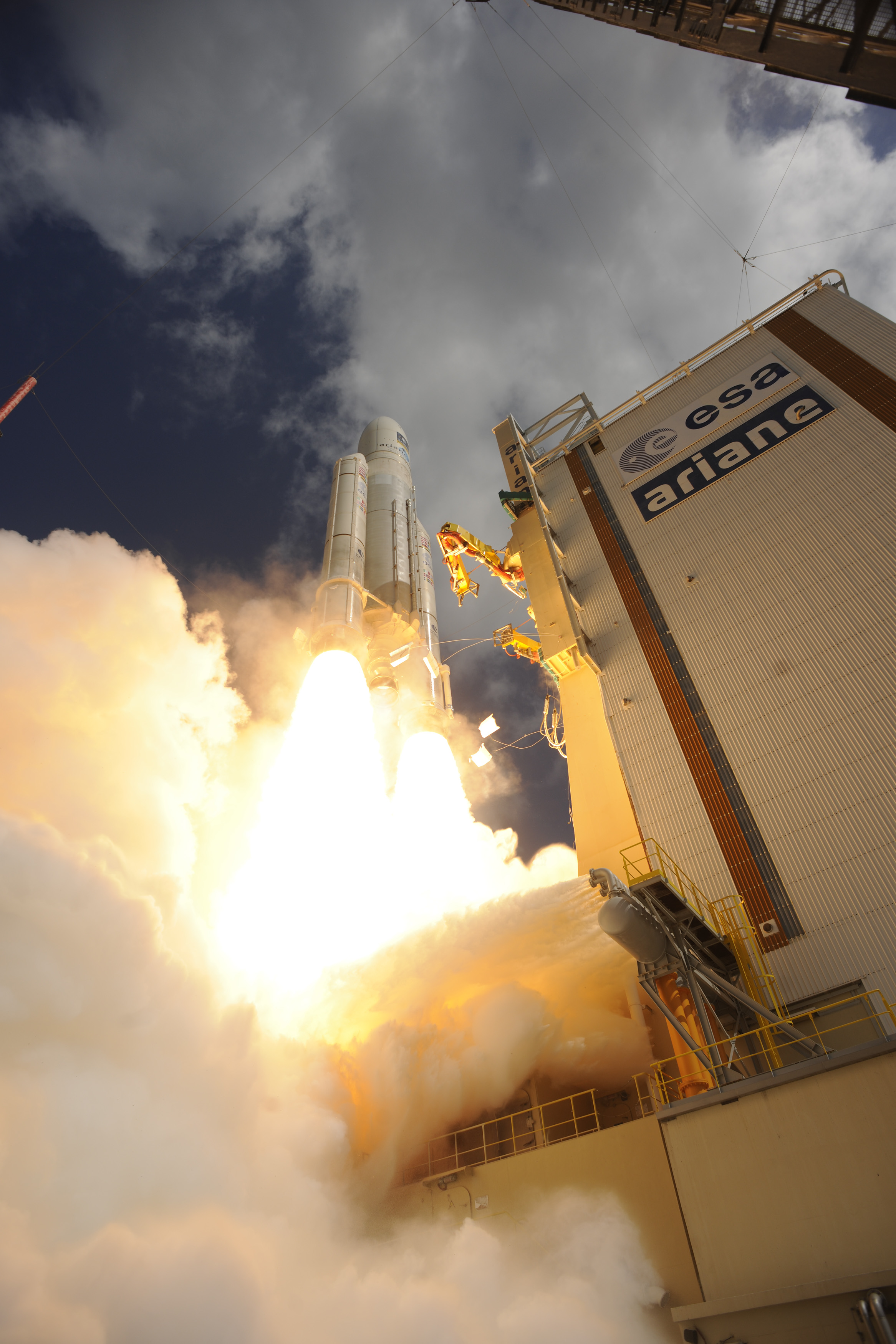 An Ariane 5 rocket has launched four additional Galileo satellites, accelerating deployment of the new satellite navigation system.
The Ariane 5, operated by Arianespace, lifted off from Europe’s Spaceport in Kourou, French Guiana at 13:06 GMT (14:06 CET, 10:06 local time) carrying Galileo satellites 15–18. The first pair was released 3 hours 35 minutes and 44 seconds after liftoff, while the second separated 20 minutes later.
The Galileos are at their target altitude, after a flawless release from the new dispenser designed to handle four satellites. Read more…
Europe’s 15th, 16th, 17th and 18th Galileo satellites lifted off from Europe’s Spaceport in French Guiana atop an Ariane 5 launcher.
Two flagship European space programmes will combine on 17 November, as Galileo navigation satellites are carried into orbit by an Ariane 5 rocket for the first time.
Using this customised vehicle allows four Galileos to be launched together. The total number of satellites in orbit will rise from 14 to 18 – the single biggest increase of any navigation satellite constellation from a single launch.
Liftoff of Ariane flight VA233 is scheduled for 13:06 GMT (14:06 CET, 10:06 local time) on 17 November. Read more…
Next Thursday 17 November at 10.06 Kourou Time/14.06 CET an Ariane 5 will launch Galileo satellites for the first time. Equipped with a specially designed dispenser, the European launcher will deploy four satellites: Galileo Sat 15, 16, 17 and 18. This video explains the current status of the Galileo system.
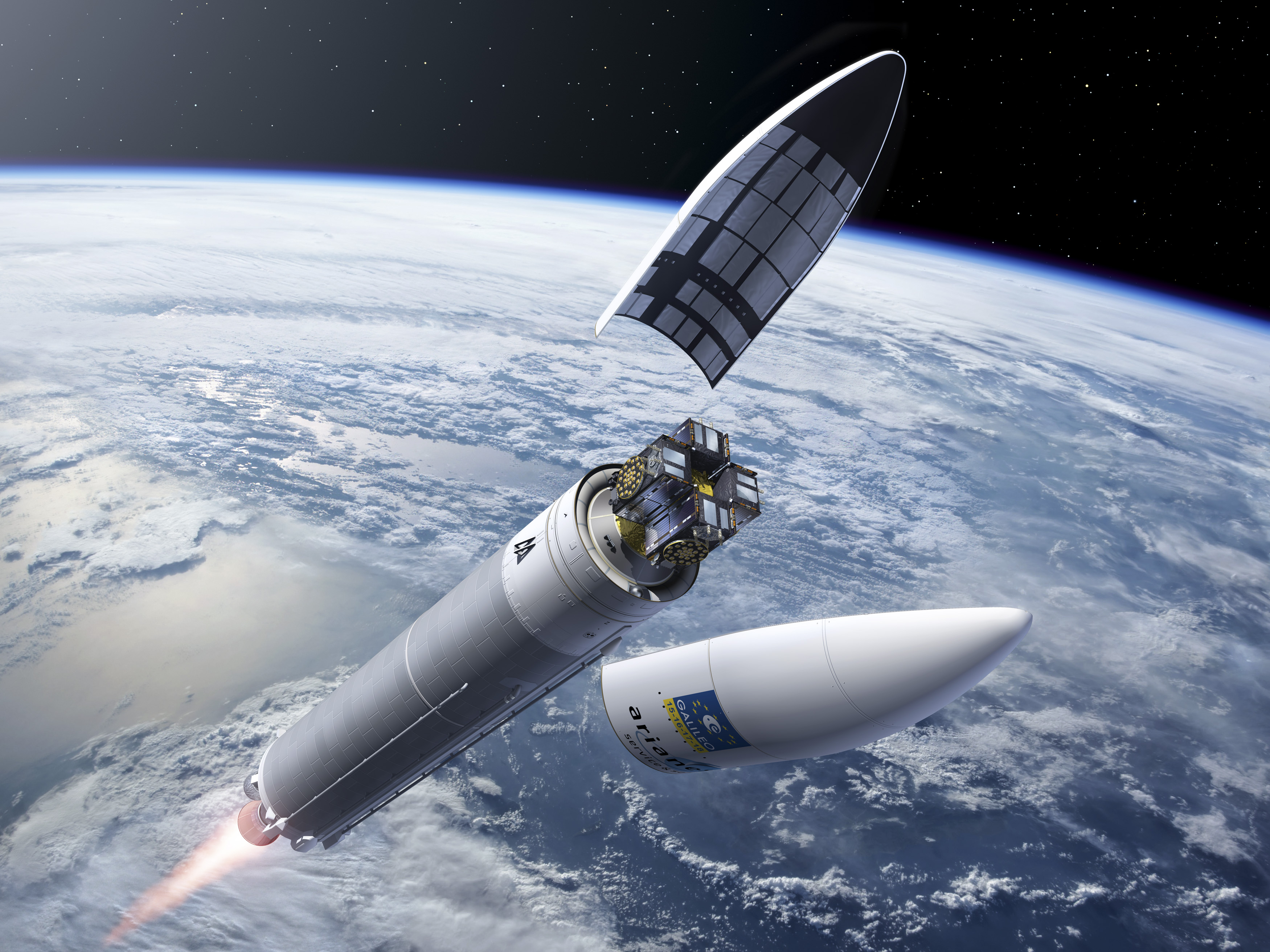 On 17 November at 13:06 GMT (14:06 CET), a single Ariane 5 rocket is set to propel four Galileo satellites into orbit for the navigation constellation’s first-ever quadruple launch. Mission controllers are training intensively for the complex space delivery.
Ariane 5 will use a new payload dispenser to release four identical satellites into orbit in one go.
This will be the eighth Galileo launch, and will bring the number of satellites in space to 18. Once complete, the system will sport 24 operational satellites and a ground network to provide positioning, navigation and timing services. Read more…
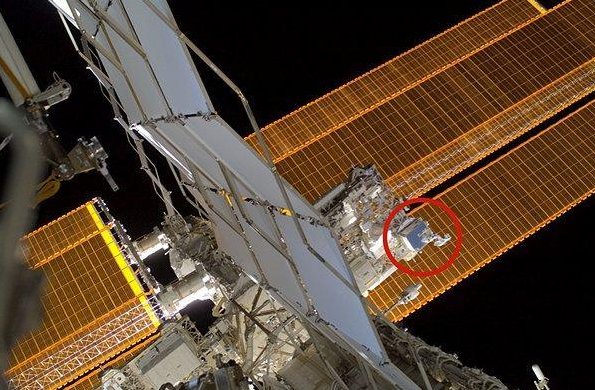 The National Aeronautics and Space Administration (NASA), the European Space Agency (ESA) and Qascom, an Italian company specializing in Galileo, are collaborating to build the first GPS and Galileo receiver to be tested on board the International Space Station (ISS) Space Communications and Navigation (SCaN) Testbed.
SCaN is a payload developed by NASA that has been hosted on board the International Space Station on an external truss since late 2012. It has the objective of testing navigation and communication experimentations with a Software Defined Radio (SDR) approach, which permits software only updates for testing new experimental configurations. Read more…